

Ketamine is a dissociative anaesthetic that also has some hallucinogenic effects. It has legitimate medical and veterinary uses, but is also commonly used as a recreational or ‘party’ drug.
According to official statistics, the illegal use of ketamine has risen rapidly in the UK. An estimated 160,000 16-59 year olds (or 0.5% of the population) used the drug recreationally in 2014-15 compared to 264,000 (0.8%) a decade later. There’s a common perception that it is a relatively safe drug, but the effects of ketamine can be very serious.
What Is Ketamine and Why Is It Misused?
Ketamine was first introduced into clinical practise in the 1960s. It is used primarily as an anaesthetic but has also been used as a pain medicine and, less commonly, to treat depression that has resisted other treatment methods. It is used in veterinary as well as human medicine.
The dissociative effects of ketamine can make a user feel ‘dream-like’ and detached. Users may also experience relaxation, happiness, or euphoria. People will often seek out these sensations when using ketamine recreationally, but some also experience less pleasant effects such as confusion or nausea. Some people also find the sense of dissociation distressing, especially the severe state of dissociation and out-of-body experience commonly referred to as a ‘K-hole’. Ketamine is not generally considered to be physically addictive like opioids or alcohol, but users can develop psychological dependence and usage can quickly escalate. This can increase the potential risks of using the drug.
5 Dangerous Effects of Ketamine
Some of the potentially dangerous effects of ketamine can include:
Severe Bladder and Kidney Damage
One of the most common physical side effects of recreational ketamine use is damage to the bladder and urinary tract, with estimates suggesting that between 26–30% of users experience at least one bladder symptom.
Ketamine bladder (ulcerative cystitis) is a severe, chronic condition that can lead to a small, scarred and inflamed bladder. This can cause intense pain, an increased need to pee and incontinence. The symptoms can be long-lasting, and in some cases, the damage may be permanent.
Cognitive and Memory Impairment
There is now plenty of evidence suggesting that ketamine use can have a negative impact on memory and cognitive function in general.
Heavy or long-term recreational ketamine use can affect spatial memory, verbal memory and visual memory, as well as attention and reasoning or decision-making abilities. Chronic use is linked to changes in the brain structure, but studies suggest that these changes are reversible.
Significant improvements in memory and cognitive function were observed after 12 weeks of abstinence from ketamine, making drug rehab and treatment a valuable option for anyone struggling with these issues.
Mental Health Problems
While ketamine is in some cases being trialled as an experimental treatment for some mental health issues, this is only done under highly controlled circumstances. Uncontrolled, recreational use of the drug has been linked to a number of mental health issues, including anxiety, depression, paranoia and even psychosis.
In some cases, ketamine use may trigger mental health symptoms. In others, it may exacerbate or worsen existing mental health problems.
Anecdotal evidence also suggests that some users may experience ‘K-hole flashbacks’ in which they involuntarily re-experience the intense dissociation of previous ketamine use. This could include hallucinations, distress and fear and could potentially contribute to ongoing mental health issues.
Addiction and Dependence
Ketamine does not lead to physical dependency in the same way as some other drugs, such as opioids and alcohol, where the user can suffer severe physical withdrawal symptoms when cutting down or stopping use of the substance. It can lead to severe psychological addiction, though, as well as an increasing physical tolerance.
Ketamine tolerance is well documented and can develop through a number of processes, including changes to liver enzymes that break down the drug, changes to receptors to compensate for the drug’s effects and a build-up of certain ketamine metabolites in the system.
What all this means is that the long-term or heavy user needs to use more of the drug to get the same effect. This can produce a vicious cycle, increasing usage and the potential of harmful effects.
Tolerance can develop very quickly, especially with heavy use. At the same time, psychological dependence can lead to cravings and compulsive usage patterns that can be very difficult to break.
Increased Risk of Accidents and Injury
Some of the common effects of ketamine include an impairment of coordination and situational awareness that can lead to an increased risk of accidents and unsafe situations. The anaesthetic effects of ketamine could potentially lead to a user hurting themselves without realising it at the time.
There may also be an increased risk if ketamine is used with other drugs, including alcohol. The sedative effects can combine, which can be dangerous, while mixing ketamine with stimulants or hallucinogenic drugs can be very unpredictable.
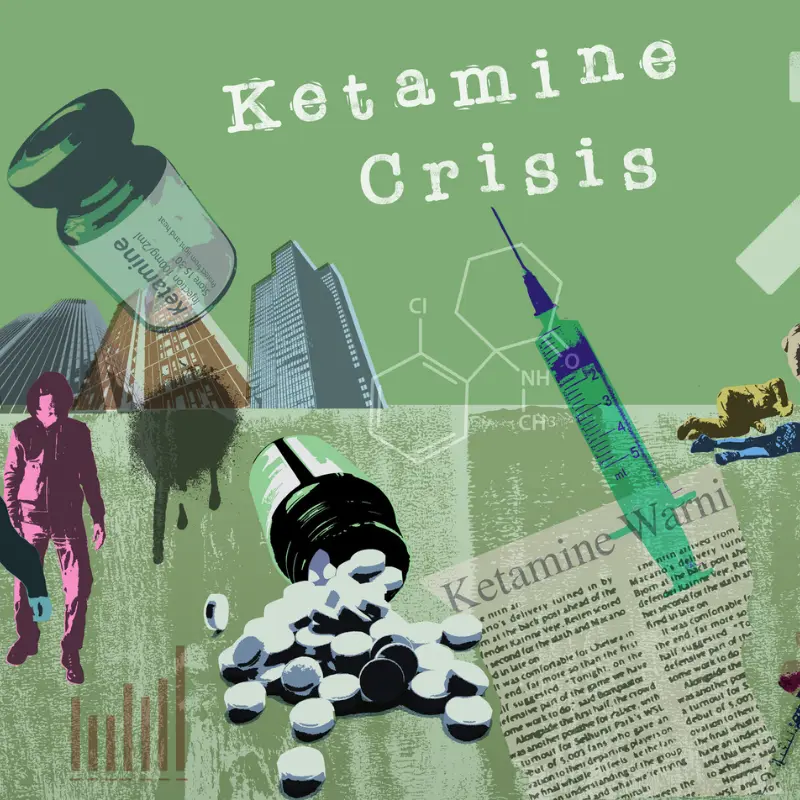
Long-Term Effects of Ketamine Misuse
Long-term ketamine abuse can have a number of long-lasting effects. Problems with the bladder and urinary tract are common and can be very serious, painful and debilitating. Other physical impacts can include abdominal pains (sometimes known as ‘K-cramps’), nasal problems from snorting and damaged veins from injecting.
Long-term ketamine use can also have a psychological toll, potentially triggering mental health issues or exacerbating existing symptoms and conditions.
Addiction and behavioural changes associated with ketamine use can also harm relationships, finances, and cause issues at work or in education.
When to Seek Help
Signs that you may need help with ketamine use could include:
- Using the drug regularly
- Craving ketamine
- Feeling unable to quit or cut down
- Continuing to use ketamine despite negative consequences
- Usage or after-effects impacting work, relationships and other aspects of life
- Experiencing physical issues such as bladder problems
- Worsening mental health
Despite a belief in certain circles that ketamine is relatively safe, the dangerous effects of ketamine can actually be very serious. It is also a psychologically addictive substance that can be very difficult to quit without expert help. This could include rehab treatment with an experienced provider like Cassiobury Court.
Even if this isn’t the right path for you, early intervention is always best, as this can help to avoid potentially serious harm. There is always help available, and breaking free from the vicious cycle of misuse and addiction is always possible.
For support, call us today on 01923369161 or email us at info@cassioburycourt.com.


