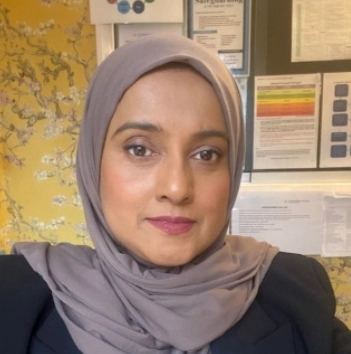
Clinically Reviewed by Dr. Olalekan Otulana (Advanced Practitioner)

All information on this page has been reviewed and verified by a certified addiction professional.
Last Reviewed: 2nd February 2023

Clinically Reviewed by Dr. Olalekan Otulana (Advanced Practitioner)
All information on this page has been reviewed and verified by a certified addiction professional.
Last Reviewed: 2nd February 2023
At Cassiobury Court, we offer a residential rehab service for drug addiction at our London rehab centre. We provide comprehensive treatment programmes, expert medical and psychiatric staff, and a way forward for those seeking sobriety.
Our treatment programmes are directed by medical professionals who ensure a completely safe and therapeutic environment for our clients. Each addiction programme is tailored to the individual, with clients assessed prior to rehab admission to determine which treatment methods are appropriate.

Here at Cassiobury Court rehab centre, we treat any drug problem. You can receive drug treatment for the most common addictions such as alcohol, heroin and prescription drug addiction, or even more obscure drugs which people do not typically associate with addictions.
Common addiction services we provide include:
Signs you should go to rehab for drug addiction treatment may not always be immediately obvious. Over 329,646 adults were in contact with drug and alcohol treatment services between April 2024 and March 2025 in England – the highest number since reporting began.
However, there are a number of signs that may indicate the validity of attending a drug rehab treatment programme as opposed to attempting to cease your addiction unaided.
There are two main types of drug rehab treatment currently available: inpatient and outpatient treatment. Both of these can be accessed by any individuals in need of rehabilitation for drug use and misuse.
At Cassiobury Court, we offer in-client (inpatient) treatment, also known as ‘residential’ treatment. Residential rehab treatment means an individual will physically live at the rehabilitation facility for around 10-28 days. During this time, those suffering from addiction receive around-the-clock care and attention from a team of caring professionals. Inpatient rehab is also good for reducing exposure to triggers that may be influencing your addiction.
Outpatient treatment typically takes place during the day at organised sessions, where an individual returns home during the evening. It’s generally not as intensive as inpatient treatment, which means that group sessions may only occur once or twice a week and are spread over several weeks.
We generally only recommend the outpatient route for drug addiction treatment when it follows an inpatient rehab programme, sometimes in the form of aftercare sessions.
Prior to initial admission, an individual will undergo a drug addiction assessment as part of the admissions process. You’ll start with a confidential phone call with a member of our admissions team, who can assess your situation. For those seeking immediate support, admission can sometimes be arranged within 24 hours where appropriate.
Once admitted, a psychiatrist will assess the physical and psychological aspects of the addiction and any potential dual-diagnosed mental health conditions an individual may be experiencing, like anxiety or depression. Once concluded, your notes will be assessed by our clinical team, who will devise a recommended treatment plan.
At the beginning of addiction treatment, the first stage is known as the drug detox process, where the body is rid of all traces of the drug. This stage is especially important when physical dependency is present. We recommend this be completed in a safe environment, observed by medical staff to ensure minimal complications. Prescription medications may also be required at this stage of treatment, which is why we recommend detox occurs in the presence of our medically trained staff.
Once the body is clean of the drug after the medically assisted detox, the next stage of rehabilitation is therapy. Our treatment plans are designed to help clients stay clean long after care has ended. Factors that can influence the addiction treatment received include the type of drug an individual is taking, the severity of the addiction, the client’s psychological condition, and their personality.
Treatment can include:
Long-term recovery is ultimately in the hands of the individual struggling with addiction, and therapy is important to get to the root cause of the addiction and identify what may trigger drug use.
Returning home after rehab is a significant stage of the recovery process. To make that transition easier, we also provide continued aftercare support, helping you manage potential triggers, maintain healthy routines and access guidance whenever you need additional help with your recovery.
The amount of time spent in a rehab clinic depends upon the severity and history of your drug addiction. Since drug addiction is a mental, not physical, disorder, it takes time to tackle these issues using modern therapy sessions.
If your rehab stay is too short, an individual can’t expect to leave having received sufficient treatment for these mental issues. And if the mental causes of your addiction are not sufficiently treated, relapse is more likely to occur.
While it’s impossible to answer this question without a full assessment, the vast majority of people can make significant progress during therapy sessions when they agree to stay at the rehab centre for around 28 days, or four weeks.
Some individuals may require rehab of a longer duration, for instance, for six to eight weeks.
As an example, addiction to opiates typically requires around 14 days to treat the physical withdrawal symptoms. But if you are addicted to cocaine and attend cocaine rehab, you will likely suffer from psychological withdrawal symptoms, with these fading around a week after no usage.
It’s essential that an individual gives themselves enough time to recover from their addiction.
Making the decision to start rehab for drugs in the UK will generally require some form of financial investment. The specifics depend on the type of treatment an individual requires, the addiction treatment centre they attend, and the duration of treatment.
As a rule of thumb, treatment centres offering a full residential experience will require a greater investment when compared to outpatient or so-called ‘quasi-residential’ treatment providers.
To find out the exact cost of drug rehab, get in touch today on 01923 369 161. If you do not think you can afford private rehab, you can speak to our admissions team about suitable payment options.
*Prices are indicative and may be subject to change. Please contact our Admissions Team to confirm the current price and availability.
Cassiobury Court is one of the leading drug addiction treatment centres in the UK. Our reputation for providing effective drug and alcohol rehab treatment has helped us remain at the forefront of private addiction treatment.
With a wide array of treatment options, including innovative techniques, we have shown that we’re always on the lookout for the most effective treatments to benefit our clients.
For more information on the treatment methods in our drug rehabilitation programmes, visit our addiction therapies page.








Our counsellors and clinicians at Cassiobury Court are highly qualified and respected in their field, with a particular focus on showing empathy towards our clients. Many of our staff have experience with the illness of drug addiction, which helps them identify what’s needed for recovery and make a personal connection to our clients.
Having this personal connection towards drug rehab and rehabilitation programmes allows our staff to deal with many of the misconceptions surrounding how treatment for drug addiction should work.
At Cassiobury Court, we understand that there are many factors that can lead to addiction and relapse, which have been taken into account for the rehabilitation programme to be effective, including support for emotional and physical wellbeing throughout recovery.
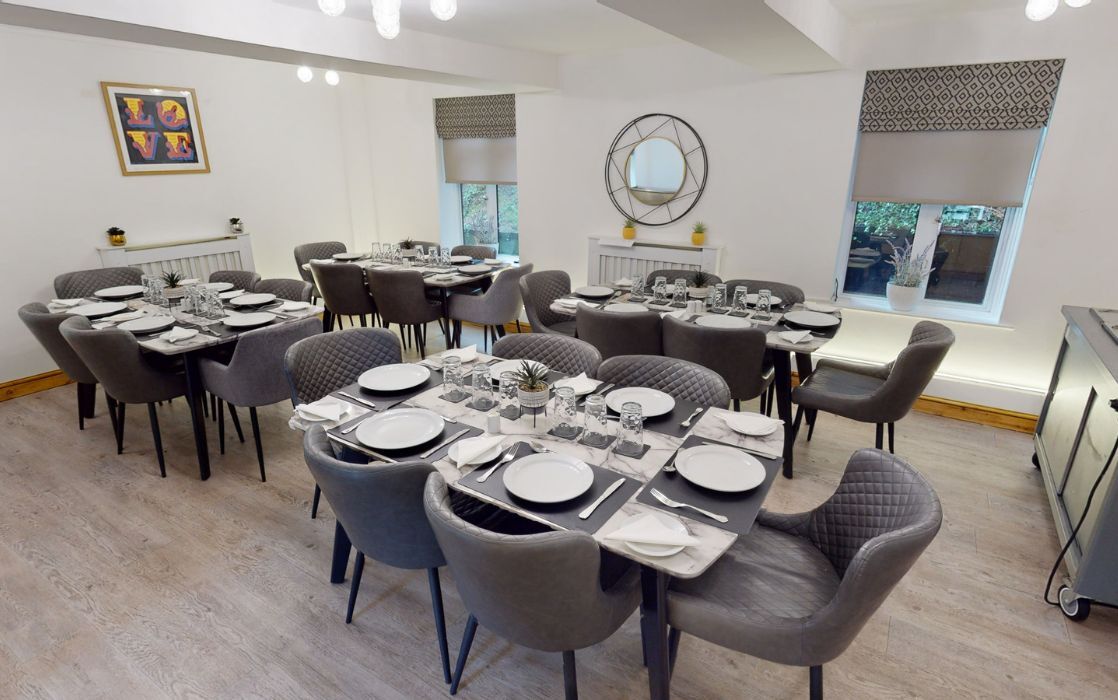
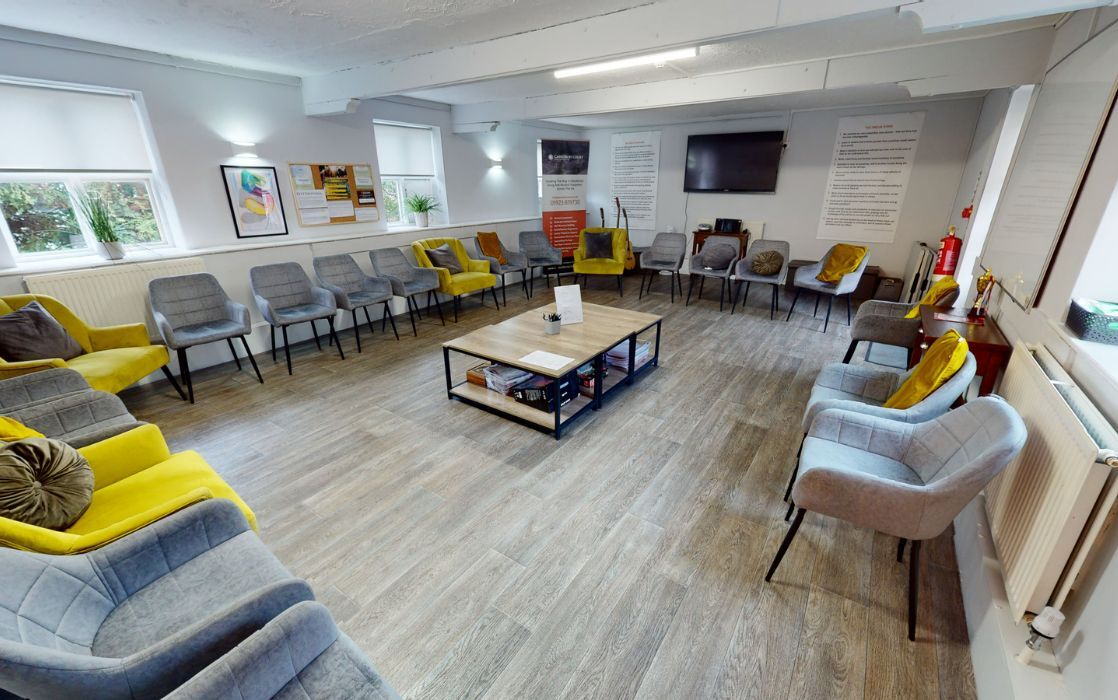
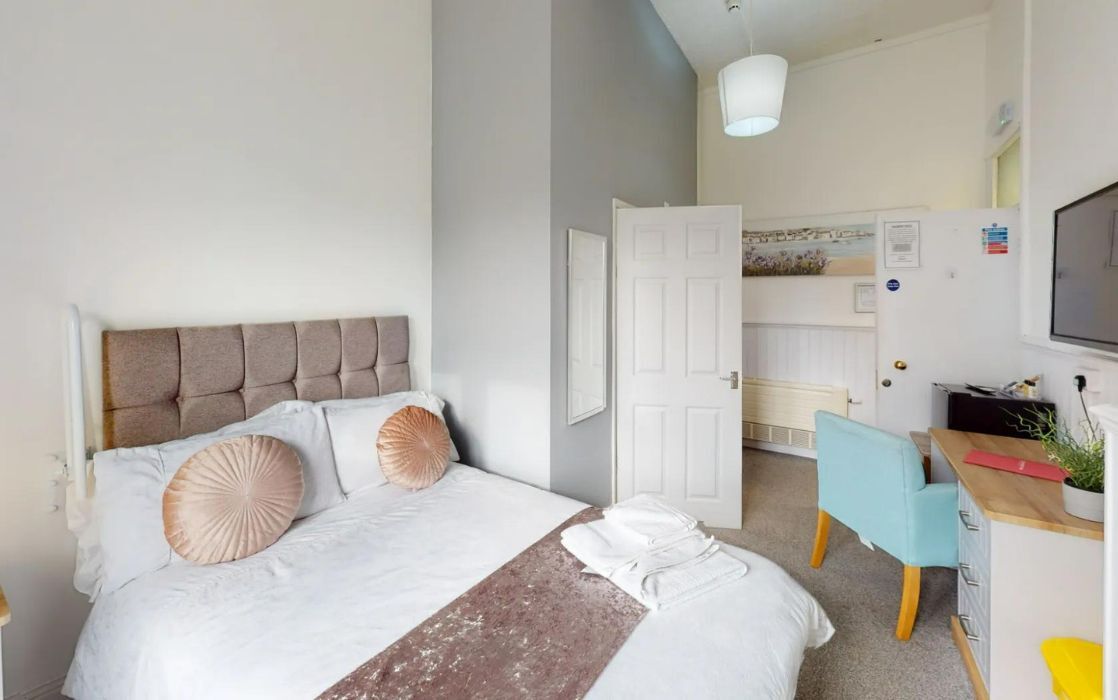
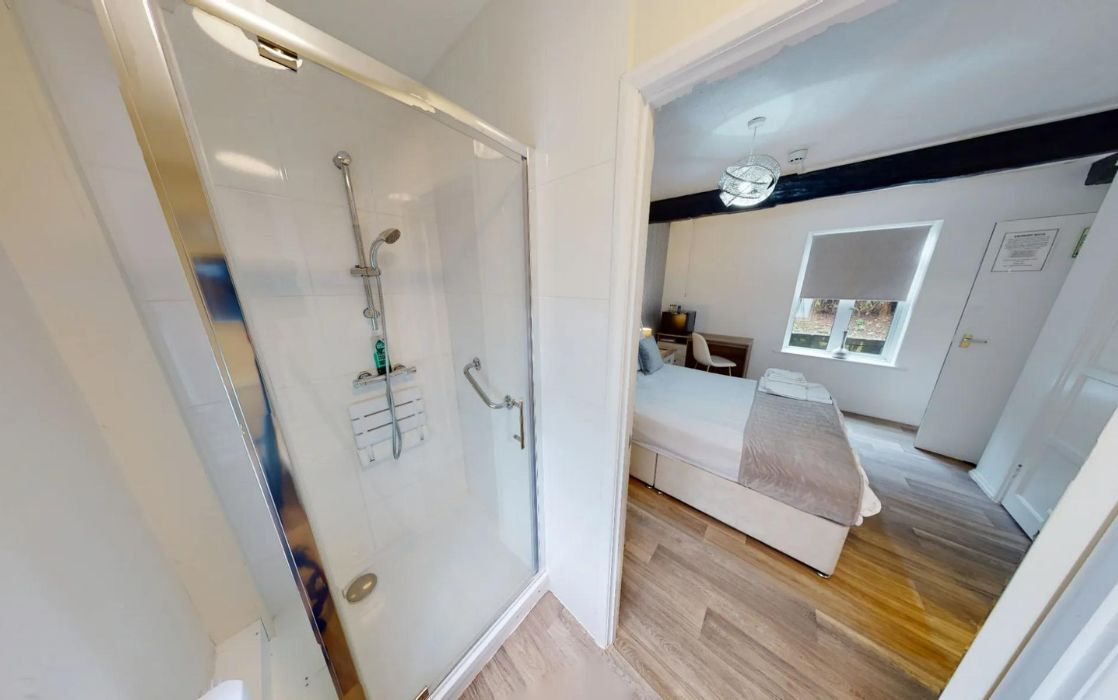
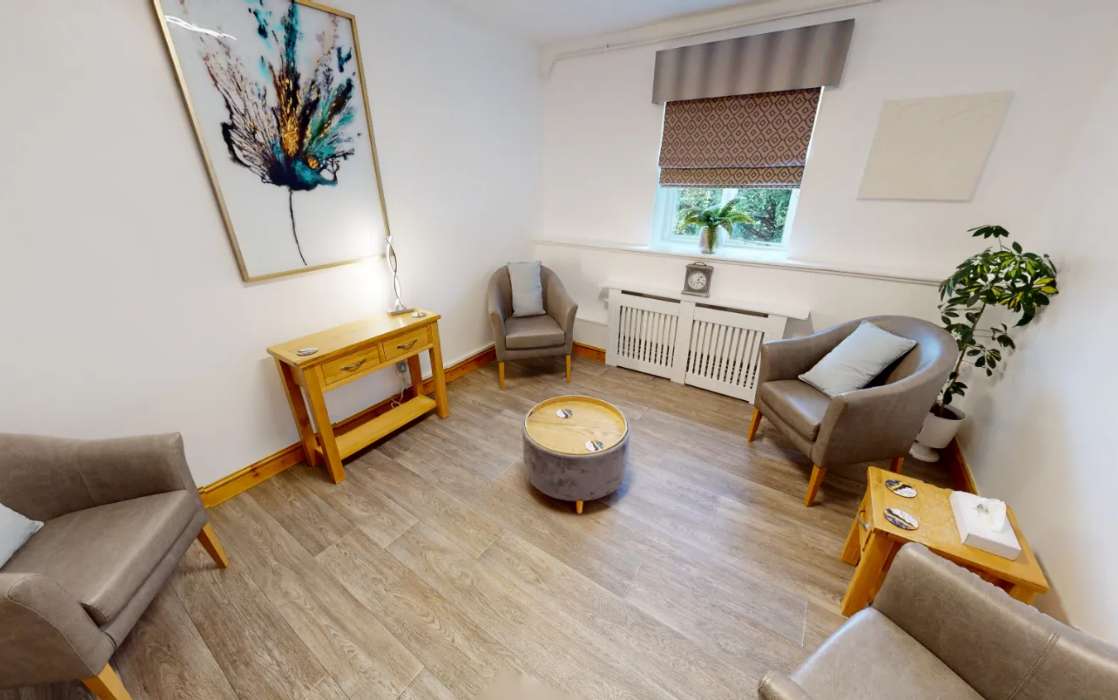
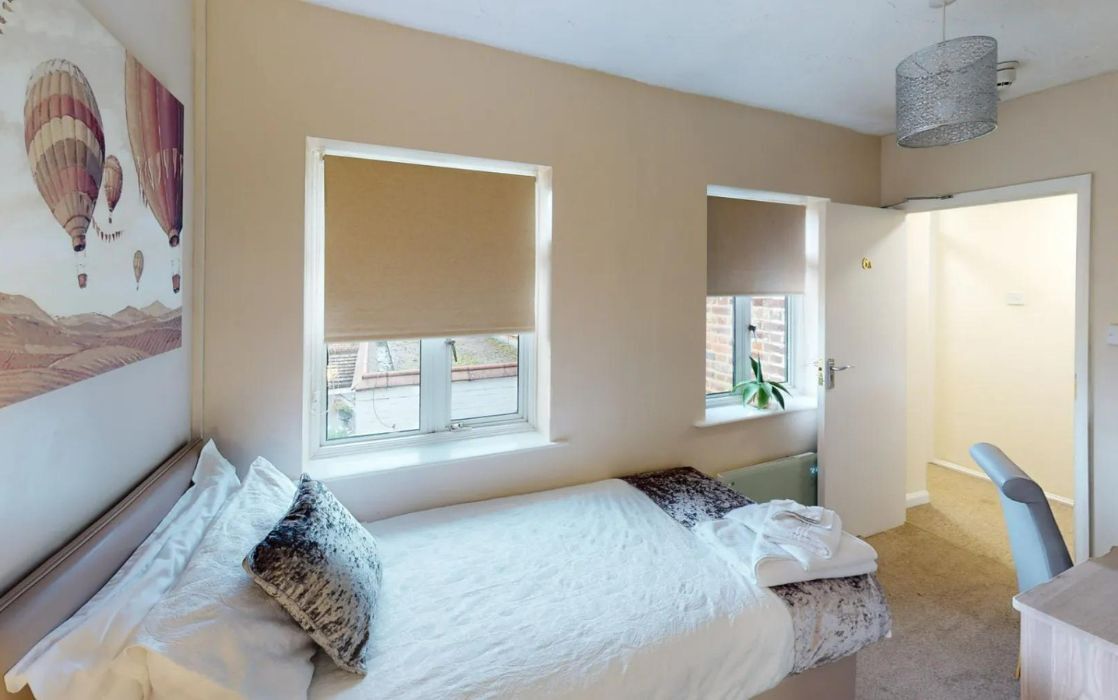
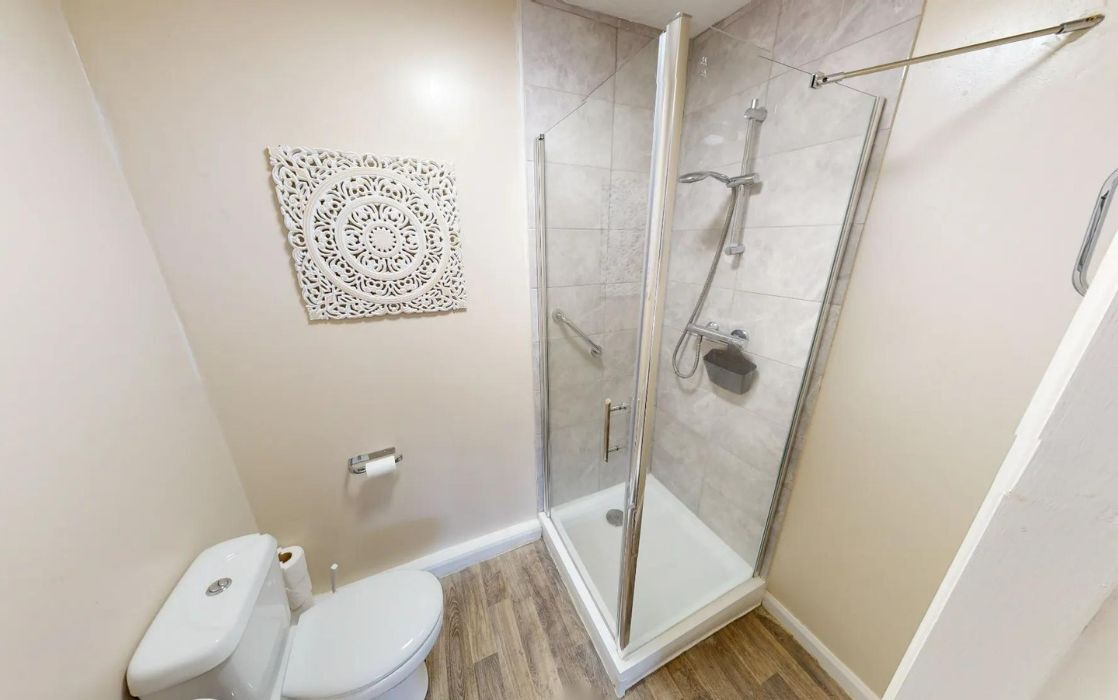
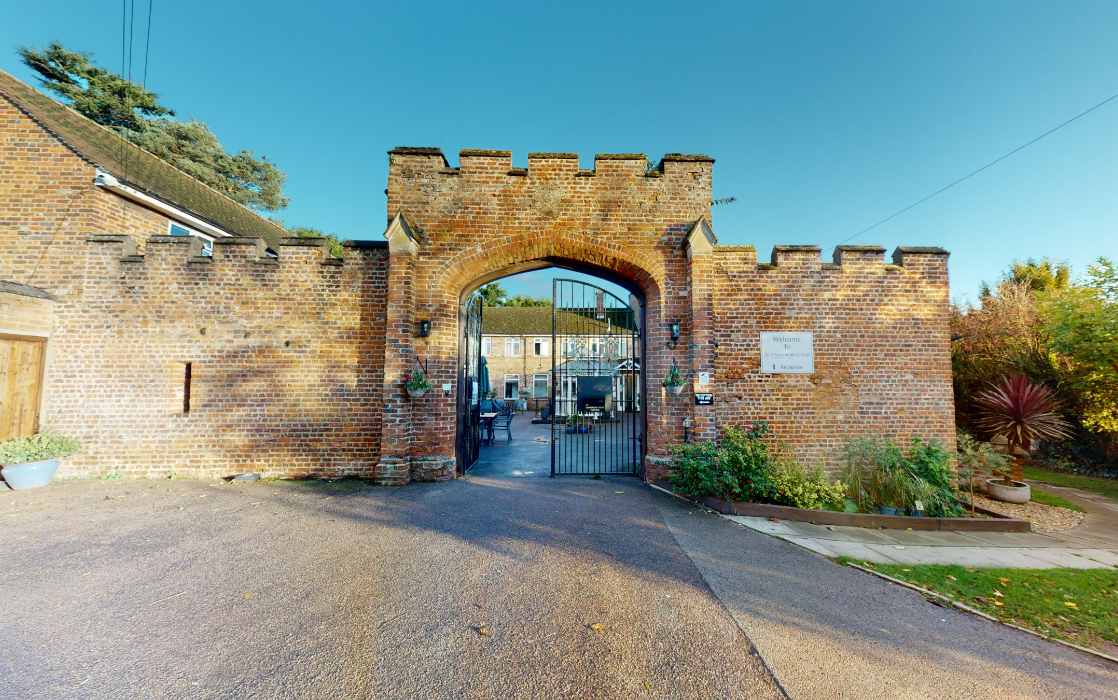
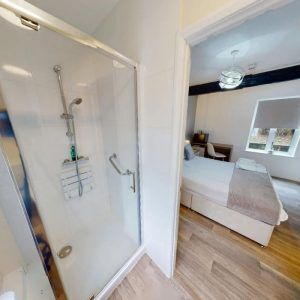
Our residential treatment facilities have been constructed to provide comfort and safety within a structured environment for individuals residing there. Cassiobury Court’s premier accommodation is also the perfect environment to treat addiction; we offer extensive packages of group and individual therapy during the week, designed to help secure a lasting recovery from addiction.
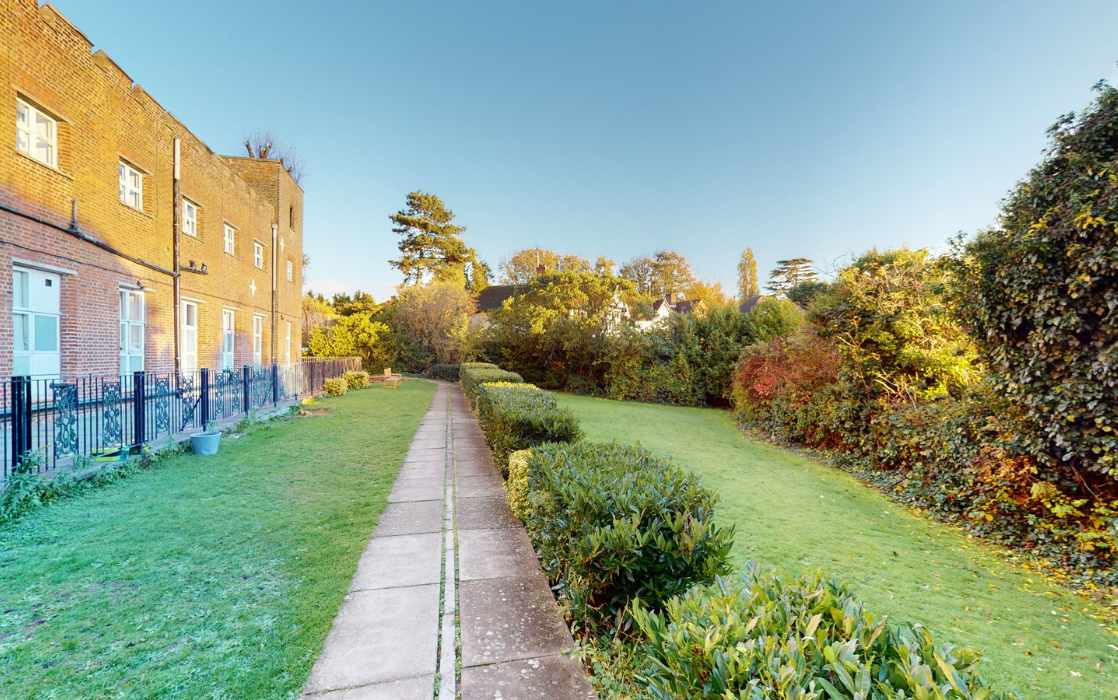
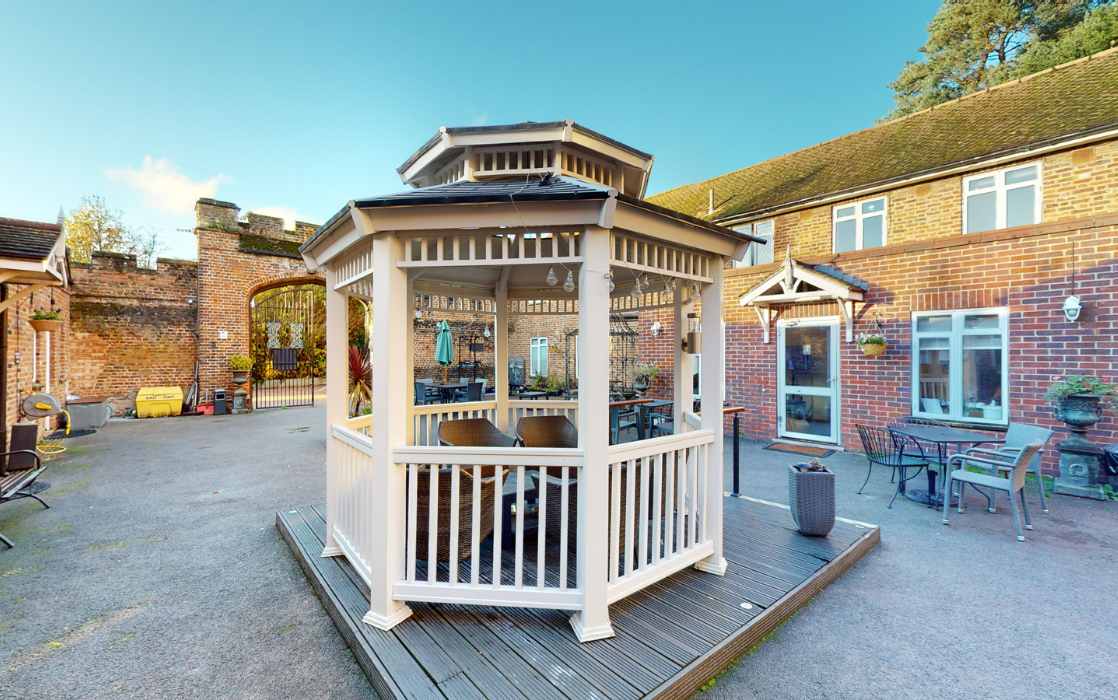
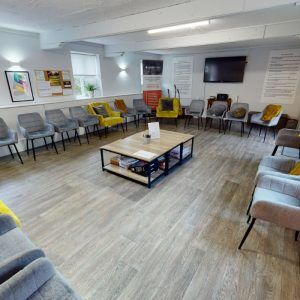
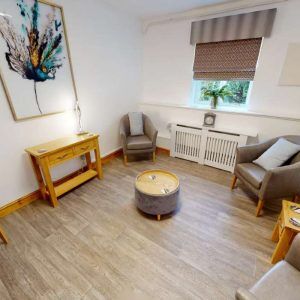
After a long day of treatments and therapies, our clients can relax in our communal lounges and beautiful outside spaces in a supportive environment. Alternatively, private time can be enjoyed within personal spaces.
Our main facilities include:



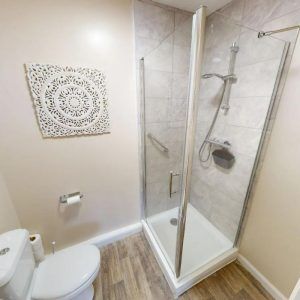

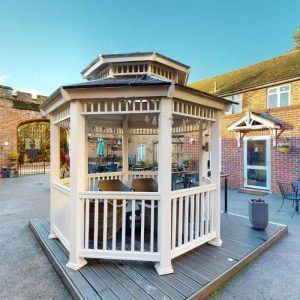

We understand how hard it is going back home and into the environment which caused your addiction, this is why we have effective aftercare programmes so you are not alone even after you leave our centre. Our aftercare team is made up of health professionals who will keep in regular touch with you after you leave, this ensures that you have the support needed when the urges to relapse become too much.
We are able to provide treatment for the majority of addictive drugs. The most common drug addictions we deal with include cocaine, heroin, cannabis, alcohol, amphetamines and prescription drugs. If you would like to find out more information on the drugs we have treated then speak to one of our addiction recovery workers to find out about what they have experienced when treating these addictions.
When you enter drug rehab with us, you will undergo an initial assessment to understand your drug use, physical health, mental health and personal circumstances. Our clinical team will use this information to recommend a suitable treatment programme, which may include a medically assisted detox followed by individual and group therapy.
Stopping some drugs suddenly can cause uncomfortable or potentially serious withdrawal symptoms. For this reason, we recommend completing detox in a safe and supervised environment where medical professionals can monitor your health. At Cassiobury Court, medication may also be prescribed when clinically appropriate to help manage withdrawal symptoms.
No. You do not have to wait until an addiction becomes severe before seeking professional help. Rehab may be appropriate if drug use is affecting your physical or mental health, relationships, employment, education or ability to manage everyday responsibilities. An assessment can help determine whether residential treatment is suitable for you.
The appropriate length of treatment depends on factors such as the substance being used, the severity and history of the addiction and your individual circumstances. Many clients stay at Cassiobury Court for around 28 days, although shorter programmes of 14 or 21 nights and longer treatment periods may also be appropriate following assessment.
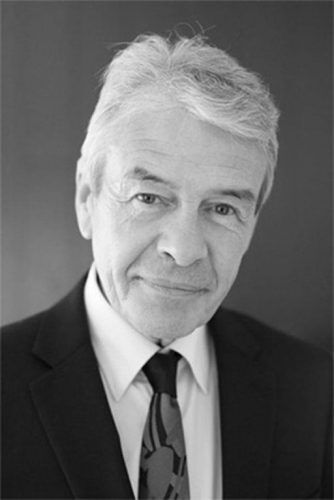

John Gillen is a leading addiction treatment expert with over 15 years of experience providing evidence-based treatment methods for individuals throughout the UK. John also co-authors the book, The Secret Disease of Addiction, which delves into how the addictive mind works and what treatment techniques work best.

Dr. Olalekan Otulana MBChB, DRCOG, MRCGP, DFSRH, FRSPH, MBA (Cantab)
Dr Otulana is a highly experienced GP and Addiction Physician. He has a specialist interest in Substance Misuse Management and he has a wide range of experience in the assessment, management (including detoxification) and residential rehabilitation of clients with various drug and substance addiction problems. His main aim is to comprehensively assess patients with addiction problems and determine their treatment needs for medical detoxification treatments and psychological interventions. He is also experienced in managing patients who require dual drug and alcohol detoxification treatments.
A strong healthcare services professional with a Master of Business Administration (M.B.A.) degree from Cambridge University Judge Business School.