


Addiction in older adults can often go unnoticed. An issue may be overlooked or misdiagnosed, but substance misuse among older people is certainly an area of concern, and addiction can take hold at any age.
Awareness of the issues surrounding older people and addiction is particularly important as the population ages. It can be a serious problem, not only for the individuals involved but also their families, loved ones and society as a whole.
What Is Addiction in Older Adults?
Addiction in later life involves compulsive long-term substance use despite the potential for harmful consequences. Substance misuse is often dismissed or goes unnoticed among older people, but it is a serious issue and may be more common than many people think.
Age UK’s response to an inquiry by the Commission on Alcohol Harm, for example, noted that drinking more than 14 units of alcohol per week is most common amongst adults aged 55-64, with 38% of men and 19% of women in this age group doing so. More than a fifth (21%) of adults aged 65 to 74 were also found to drink at least five days a week, compared to just 3% of people aged 16 to 24.
Older adults tend to be less likely to take certain recreational drugs, but some do take illegal drugs, and misuse of over-the-counter and prescription medications may also be more common. Around a third of all prescribed drugs such as anti-depressants and painkillers are used by people aged over 65. Some can be addictive even if used as directed, but misuse including using a higher dose, taking meds for a longer time or ‘borrowing’ drugs that have been prescribed for someone else can all increase the risks.
It’s always worth remembering that addiction can affect people regardless of age.
Why Does Addiction in Older Adults Often Go Unnoticed?
There can be a number of reasons why addiction in older adults may go unnoticed. Symptoms can be mistaken for normal ageing effects, or for general ill-health and co-existing medical conditions. In particular, physical and cognitive changes may resemble health conditions associated with older age.
Older adults may be less likely to seek help due to a sense of stigma and family members and healthcare professionals may overlook warning signs.
Common Risk Factors for Addiction in Later Life
There are a number of risk factors that may increase the risk of substance misuse and accompanying addiction in older adults.
These can include:
- Bereavement and grief.
- Loneliness and social isolation.
- Retirement and loss of routine.
- Chronic pain and long-term health conditions.
- Increased use of prescription medications.
- Mental health challenges such as depression and anxiety.
Many of these issues can affect people at different stages of their lives but may be more likely to be experienced later in life. Not everyone who goes through a bereavement or uses prescription medication will go on to misuse substances or develop an addiction of course, but these and other issues can increase the risks.
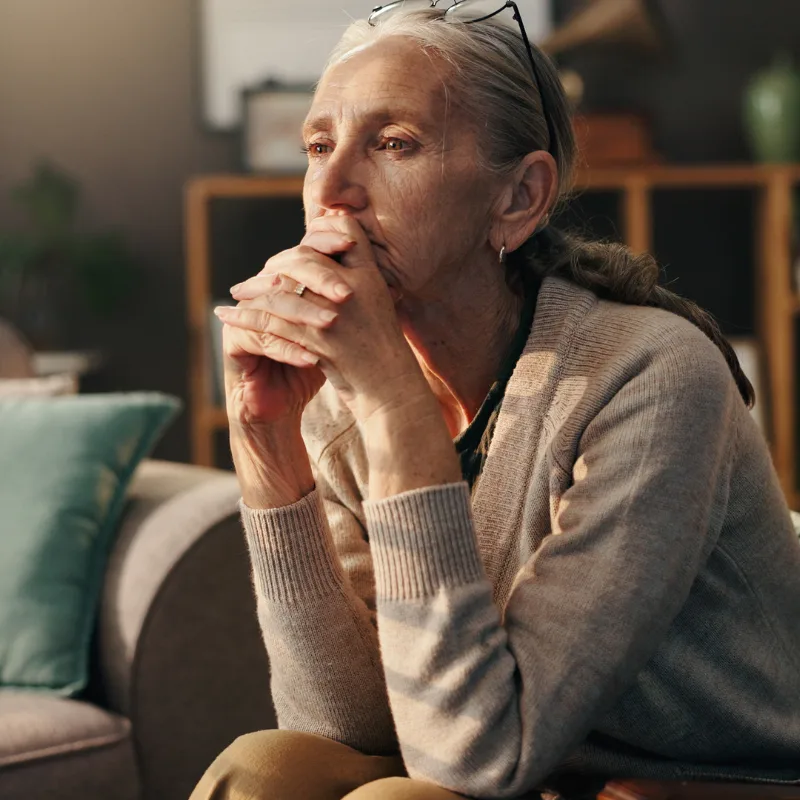
Addiction in Older Adults: Signs and Symptoms to Look Out For
Some signs and symptoms to look out for can include:
- Changes in mood or behaviour.
- Memory and concentration difficulties.
- Increased secrecy or withdrawal from social activities.
- Changes in personal care and daily routines.
- Problems managing medication
- Increased alcohol consumption.
Some of these may well be signs of other issues, including age-related decline or illness, but addiction and substance misuse should not be automatically discounted.
The Impact of Addiction on Older Adults
Addiction can have major impacts on older adults, just as it can on anyone else. Addiction can eat into finances – which may already be limited – affect relationships, and have a negative impact on self-esteem and mental health.
The related substance misuse can also increase the risk of falls or accidents, as well as a number of physical and mental health conditions. Alcohol and other drugs can sometimes interact with medications that the older person may be using.
Barriers to Treatment and Support
We understand far more about addiction than we used to. We know that anyone can become addicted given the right circumstances and for many people the stigma surrounding addiction is rightly lessened or gone. This is not always the case though, especially for older generations, who may be very reluctant to recognise or admit that they have a problem.
There may be a lack of recognition by healthcare providers and misdiagnosis can occur. Even where a problem is recognised, older adults may be reluctant to discuss substance misuse or to engage in seeking a solution.
There may also be a misconception that treatment is less effective or somehow not as valuable for older people.
Can Older Adults Recover from Addiction?
With the right support in place, recovery is possible at any age. Mutual support groups can be valuable for many people but professional addiction recovery services offer the best chance for making a full and long-lasting recovery.
Whether opting for outpatient treatments or full residential rehab programmes, it’s important to find an experienced provider that can offer tailored treatment plans that take age-related needs into consideration.
Treatments may involve a detoxification process – which should be carefully managed, especially for older adults – along with a holistic programme of therapies, relapse prevention sessions and other treatments. A comprehensive aftercare package can provide ongoing support and help ensure that the recovery continues long after the initial treatment period.
How Families Can Help
Families can help by recognising the warning signs and taking steps if they believe there may be a problem. These do not have to be drastic – starting a simple supportive conversation can be a good first step. It’s important to offer ongoing emotional support without being judgemental. If a problem does exist, seeking expert professional help should be encouraged. Families can also help here, by researching the options available.
Addiction in older adults often goes unnoticed for a number of reasons, with symptoms often mistaken for the signs of age-related decline, bereavement and other factors. Social isolation may also mean there are fewer chances for others to observe the signs, while stigma may stop the older person from recognising or admitting that there is a problem.
Awareness is important, though, for early intervention and treatment. If you are concerned about your own substance use or that of a loved one, call us today on 0800 001 4070.


