


Published by John Gillen | Last updated: 10th September 2026 | All Sources
Therapeutic Art Sessions | Rehab
If you find it hard to find the right words to express yourself, then you are not alone.
When you’re suffering from an addiction, it’s important to treat both your physical and psychological health in order to reach long-term recovery.
 Get In Touch
Are you suffering from an Addiction and need help? If so, Cassiobury Court is a UK-based expert in residential addiction treatment. Find out how we can help by getting in touch with our friendly team today. You can either call our confidential helpline or request a callback by clicking on the form below.
Alongside detoxification and the most traditional therapy treatments, therapeutic art therapy is a useful part of drug and alcohol rehab, since it helps you to build confidence in your personal self-expression.
By relearning how to express your emotions, you’ll find it easier to control them in daily life. This, in turn, will help you to manage a long-term recovery.
What is Art Therapy?
You don’t have to be an artist or have any previous experience in art to undertake this form of therapy; in fact, it’s quite the opposite, as you want to use the medium to explore your thoughts and feelings.
You may think that simply taking an art class may be sufficient, and art is considered to be extremely positive for mental health, hence the therapy, but that is not the aim of art therapy.
So, rather than teaching you about art and the specific techniques, art therapy aims to:
- Provide you with a safe space in which to explore the art medium with someone who won’t judge you
- Help you make sense of your emotions and feelings
- Help resolve complicated emotions
- Find ways to manage your emotions
- Teach you how to better communicate and express yourself
Usually, art therapy is provided in groups, but depending on your needs, you may also undertake art therapy individually with your therapist.Throughout the sessions you may utilise a whole range of mediums including, but not limited to:
- Colouring
- Painting
- Sculpting
- Collage
- Drawing
- Photography
- Writing
- Working with clay
What are the Benefits of Art Therapy?
When you think about therapy, your mind initially thinks about the more traditional types of therapy that involve discussions, group discussions and counselling. However, art therapy provides a different way of processing emotions and analysing feelings.
Sometimes it can be hard to put into words how you feel, which is where art therapy can be an extremely useful tool in undertaking your own thoughts and emotions.
Through the power of art, you can slowly untangle complex emotions and learn how to manage complicated feelings in daily life.
Since it helps with mental health, art therapy is particularly beneficial for those who have suffered emotional trauma, domestic abuse, anxiety, depression, physical violence, substance misuse or other psychological issues.
Art therapy used in conjunction with addiction treatment is something that we offer at Cassiobury Court, as we believe it’s hugely beneficial in helping recovering addicts express themselves and learn how to manage emotions.
Art Therapy and Addiction Treatment
When you suffer from addiction due to mental health implications, your emotions often become heightened, meaning that you become more irritable, anxious, depressed and find it harder to judge the emotions of others as you become more self-conscious.
Therefore, at Cassiobury Court we can offer Therapeutic Art Therapy to clients as part of their recovery programme. These sessions will give you the chance to visualise your emotions and eventually verbalise them.
Sessions here draw on three main approaches:
- Gestalt Method – using art to express yourself in the hope that this provokes deeper conversation and the ability to verbalise your emotions.
- Active Imagination – encouraged to create and use your imagination to create pieces of art, whilst the therapist asks you questions based on your work.
- Third Hand – the therapist helps to create the artwork based on your instruction, meaning you verbalise your thoughts.
Since art therapy provides a safe space to explore feelings, it works well in conjunction with more traditional therapy options when treating addiction.
Here at Cassiobury Court, you’ll have the chance to undertake these sessions once you’ve completed detox and whilst you undertake other forms of therapy.
Art combined with other Therapy
Art therapy, like a lot of therapies, works best in combination with other forms of therapy. However, to begin, most patients will have to undergo detoxification initially. Without a clear mind, you cannot expect to reach full recovery, so drug or alcohol detox must be completed before your therapy can begin.
At Cassiobury Court, your art therapy sessions will be provided in conjunction with Cognitive Behavioural Therapy.
Cognitive Behavioural Therapy (CBT) is one of the most common types of therapy used in addiction treatment. CBT works through the process of psychoeducation, whereby you can identify the root causes of your addiction, the negative thought processes and habits that fuel your addiction, and then you retrain your mind, through various exercises and strategies, to develop new, healthier and positive thought processes and habits.
Since CBT is a talking therapy used in conjunction with art therapy, it unleashes the ability of self-expression and understanding, since it can help you make sense of these complex emotions and processes that you would have been unaware of.
Equally, group therapy sessions used in conjunction with art therapy can also prove very effective since peer support is one of the strongest motivators within recovery.
At Cassiobury Court we provide the option to undertake group therapy sessions or individual therapy, to suit every need.
Long-term Recovery
Here at Cassiobury Court, we provide a wide range of addiction treatments to suit every need. We understand that recovery is a personal journey and that no two journeys are the same, which is why we provide personalised treatment programmes.
The aim of every treatment programme is for the individual to manage a long-term recovery.
Therapeutic art therapy is a beneficial aspect of your treatment programme aimed at equipping you with self-expression, understanding of your emotions and the tools required to re-enter life outside of the centre feeling confident and in control.
Raffat is the art therapist at Cassiobury Court, and she is an experienced, well-qualified therapist who has a long history of working with people at Cassiobury Court. She is committed to helping you through your recovery.
Sources
- https://baat.org/art-therapy/what-is-art-therapy/
- https://www.mind.org.uk/information-support/drugs-and-treatments/talking-therapy-and-counselling/arts-and-creative-therapies/
- https://www.verywellmind.com/what-is-art-therapy-2795755
- https://www.healthline.com/health/addiction
- https://www.ncbi.nlm.nih.gov/pmc/articles/PMC2897895/
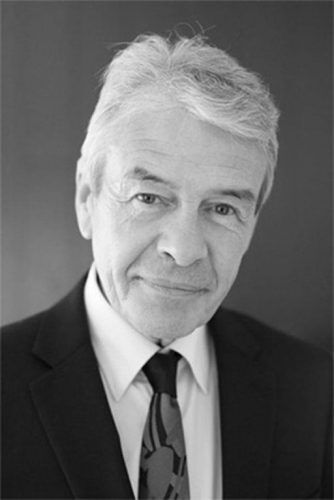

John Gillen is a leading addiction treatment expert with over 15 years of experience providing evidence-based treatment methods for individuals throughout the UK. John also co-authors the book, The Secret Disease of Addiction, which delves into how the addictive mind works and what treatment techniques work best.


