



















Cassiobury Court

Freephone: 0800 001 4070

Text HELP To 83222

Phone Number

01923 369 161

Rated 4.5/5 on Google
4.5 Stars
|
Based on 105 reviews

Trauma-Informed Care

Nothing in your life occurs in a vacuum. Past experiences can affect your wellbeing, behaviour, and relationships and be a factor in substance abuse. Trauma can inform addiction in some people, and a more considerate approach is needed to help.

Trauma-informed care is one of the approaches that we at Cassiobury Court can adopt as part of our personalised residential treatment programme. This approach is not the same as specialist trauma-processing therapy that you may have heard about. Instead, this type of care focuses on safety, trust, choice and understanding you as a whole person, rather than reducing you to a diagnosis or addiction.


What Is Trauma-Informed Care?

Trauma-informed care is an approach to healthcare that understands that trauma and adversity are common experiences. According to PTSD UK, between 50 and 70% of people will experience trauma at some point in their life.

This approach understands that these experiences, even if they happened a long time ago, can affect current emotions, behaviours and relationships. With this knowledge, this type of care seeks to prioritise safe and trusting therapeutic relationships, whilst encouraging collaboration and informed choice.

The patient or client is at the centre of trauma-informed care. They are more than a diagnosis, and this approach looks to ensure that further harm or re-traumatisation does not occur.


What Is the Link Between Trauma and Addiction?

Trauma and addiction are commonly linked, but that doesn’t mean the former will always lead to the latter.

Everyone may experience trauma, but people are different, and while some may find healthier ways to overcome the damage that trauma does, many people seek to cope and get by. In this case, people may use alcohol or drugs to cope with distressing memories, emotions, anxiety, sleep problems or other consequences that trauma can bring up.

Research has found that there is a strong link between all types of trauma and addictive behaviour, especially when it comes to those who have been in combat. Substances that are used as coping mechanisms can eventually compound problems, worsening trauma symptoms.

Compassionately approaching trauma and addiction treatment means understanding these patterns without blame or judgement, aware that experiencing painful things can be a common occurrence for those suffering from substance abuse.


The Principles of Trauma-Informed Addiction Treatment

Trauma therapy for addiction is built on an ethos that is concerned with recognising trauma and responding appropriately with a focus on avoiding re-traumatisation. It is built around several principles, including:

  • Ensuring physical and emotional safety
  • Building trust and transparency
  • Encouraging choice and collaboration
  • Respect and dignity
  • Empowerment
  • Lisa Long's profile image

    Lisa Long

    4 Months Ago
    google icon
    star star star star star
    My last day of a 28 day programme at Cassio, what can I say? The best decision I ever made, the staff are amazing, kind, considerate, nothing is too much and they always know everyone's name so a very personal touch. The group sessions are so informative and with lots of humour thrown in. Food, fantastic Alan the chef is great. Therapists and practitioners are top notch! Highly recommend Cassio, and the more you put into your recovery the more you will get out. I am leaving a different person and with tools to work the programme once those gates open! Thanks Cassio!!!

    Read More

  • Jennie Helm's profile image

    Jennie Helm

    6 Months Ago
    google icon
    star star star star star
    I can't rate Cassiobury Court residential clinic more highly! My 14 day stay (after two previous stays at different clinics) was amazing - constructive, enlightening and enjoyable. My positive experience flowed through right from the very start of the process with my telephone conversations with the admissions team, and once we'd had an initial chat and an assessment, they arranged for a driver to pick me up at 10 o'clock the next morning to drive me the 140 miles from West Dorset to the clinic. The staff were incredibly welcoming, caring and non-judgmental. I was able to start my detox only an hour or so after my arrival after having a Zoom call with the Doctor. From then on the medical team were always on hand if and when necessary. A high ratio of the staff are in recovery themselves which means that they knew personally what I was going through, which was both comforting and motivating. My room was clean, light and bright and I had everything that I needed. The food was of a very high standard and the chef was flexible and willing to go that extra mile for any special requests. The group sessions were varied, interesting and run by highly knowledgeable staff. These were backed up by excellent 1-1 sessions with my allocated key worker and allocated therapist. I can't stress enough how much new information I learnt in just 14 days. I have left Cassiobury Court with a renewed determination to start working the 12 step programme and to do what I'm told - as the people who have been giving me this advice are proof to me that I too can change my life for the better as they have. A huge thank you to you all! Jennie

    Read More

  • Milan Patel's profile image

    Milan Patel

    11 Months Ago
    google icon
    star star star star star
    This is a treatment centre of the highest calibre. The staff are all highly professional, knowledgeable, approachable and caring. They are a hope-filled resource for any addiction advice and life advice. The wholistic approach of the treatment itself was highly beneficial. As a brief overview, it encompassed: Group sessions, which was a great opportunity to learn about addiction, effective methods of controlling thoughts, emotions and how to incorporate these new skills into daily life and recovery. Mindfulness sessions that taught us the basics of meditation, breathing techniques and emotional regulation. One-to-one sessions with my key worker gave me the guidance needed to incorporate the learned material into an easy to follow recovery plan. My key worker also identified various areas of additional support which will further my recovery both during my stay at Cassiobury Court and in my general daily life. I found the private sessions with the remarkable therapists and psychologist extremely valuable for realigning my values in life so as to seek solace in my pursuits as well as becoming more emotionally centred. As a result I now see the joys in life and not the negatives. On a final note, I commend their high endeavours to offer clean, safe and comfortable living quarters with delicious hot food. They even took care of my laundry for me so that I was able to focus on my health and recovery without distraction. If you are seeking recovery by means of treatment and NOT punishment then Cassiobury Court is quite literally a LIFE SAVER.

    Read More

  • Mike Saunders's profile image

    Mike Saunders

    0 Months Ago
    google icon
    star star star star star
    As good as it gets for rehab. The staff are hard-working and caring. You get a nice blend of help and social (sober) interaction. They allow as much freedom as you can handle and mix a healthy blend of learning with the freedom to do as you please and not force any narratives.

    Read More

  • Thomas McGirr's profile image

    Thomas McGirr

    4 Months Ago
    google icon
    star star star star star
    I cannot speak highly enough of my time at Cassiobury. This was my second visit (unfortunately) and the support, experience and expertise has only improved in 3 years - I am incredibly glad I chose to return. The staff will change your life - measuring empathetic understanding with straight-talking honesty. I would recommend to anyone who’s struggling and wants to get on the path to recovery.

    Read More

  • Rebecca Scott's profile image

    Rebecca Scott

    1 Month Ago
    google icon
    star star star star star
    Cassiobury court takes a special place in my heart for all the help I received. All the staff there are impeccable!! I could not fault it in any way. The managers, key workers, therapists, chefs, doctors, support staff and cleaners make you feel at home. They meet every need and want. I wish to return one day to be able to volunteer or go back and share my story. ❤️

    Read More

Safety and Trust in Trauma-Informed Care

Feeling safe and having trust is critical to trauma therapy for addiction. The care that people receive must be consistent, built on clear communication that demonstrates their boundaries are being respected.

When people feel more assured, trust builds, and they become more open to help. Confidentiality must be maintained too so that clients know whatever they share does not go beyond their sessions.

With safety and trust, collaborative decisions can be made, showing clients that they are leading the way, rather than being told what to do.


Choice and Personalised Treatment

At Cassiobury Court, we place people at the core of our treatment, tailoring recovery programmes to individual needs, circumstances and recovery goals. We aim to make sure that people at Cassiobury Court understand their treatment options and participate in decisions when it is right.


What Does Trauma-Informed Care Look Like at Cassiobury Court?

The rehabilitation treatment you receive at Cassiobury Court will be guided by medical, psychological and physical health assessments done before you begin your programme. There will also be a review of individual risks and recovery goals to determine the right path forward.

You’ll undergo a personalised care plan in our safe residential setting, giving you the space and support you need to focus on your recovery. Your treatment plan may involve evidence-based care, medically assisted detox, personalised psychological therapies and holistic treatments.

All of this will be guided by you, giving you access to the treatment you need to achieve your recovery aims.


Meet Our Team

Our team includes experienced counsellors, psychologists, and medical professionals specialising in addiction treatment and mental health. We are passionate about helping people overcome addiction and achieve their goals for a healthier and happier life.

We hold the highest professional standards here at our CQC-registered rehab centre. Our fully trained GPs, Physchiatristes, Support Workers, Counsellors and Mental Health Nurses can deliver a comprehensive rehabilitation programme.

View All Team Members arrow

  • Rafa

    Raffa Bari

    CQC Registered Manager View Bio
  • Dr Mosun - Consultant Psychiatrist and Addiction Specialist at Cassiobury Court

    Dr Mosun

    Consultant Psychiatrist and Addictions Specialist View Bio
  • Dr Ola Otulana - GP and Addiction Specialist at Cassiobury Court

    Dr Ola Otulana

    GP and Addiction Specialist Physician View Bio
  • Alison Hipwell - Deputy Manager at Cassiobury Court

    Alison Hipwell

    Deputy Manager (Operations Officer) View Bio
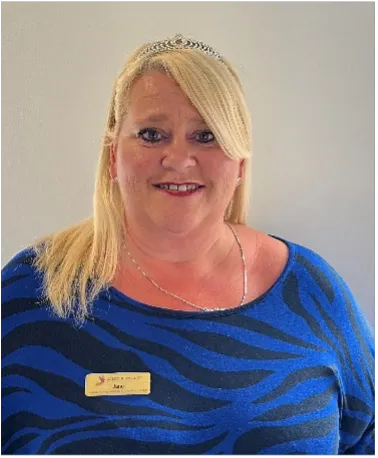
  • Jane Pearce - Deputy Manager at Cassiobury Court

    Jane Pearce

    Deputy Manager (Clinical Lead) View Bio

Trauma-Informed Care During Detox and Early Recovery

Withdrawal and early recovery can be hard to get through because you remove the mechanism you were using to cope with negative emotions, increasing anxiety or distress, and you have yet to learn new healthy strategies.

During this time, predictable and compassionate support is essential, and the focus should be on safe withdrawal, rather than jumping into talking about deeper, traumatic experiences.

At Cassiobury Court, we provide medically assisted detox, aiming to make withdrawal as comfortable to get through as possible.


Therapies Used Alongside Trauma-Informed Care

Trauma-informed care will shape how treatment is delivered to you, rather than entailing specific sessions necessarily. Instead, you will likely participate in a range of particular psychological therapies that address individual treatment goals.

Therapies you could take part in as part of a trauma-informed addiction treatment approach include:


Trauma-Informed Care and Relapse Prevention

Trauma-informed care can continue to help through your recovery journey. By learning to identify situations, memories, and emotions associated with distress and recognising how substance abuse was a coping device, you can begin to work on safer strategies.

Using methods such as mindfulness and grounding techniques can lead to better emotional regulation, helping you deal better when you encounter potential triggers. You can work on planned responses for when confronted with these difficult emotions.

You can also continue to build a support network after rehab, having people to lean on in tough moments and get continued appropriate psychological support, if you think it is necessary.

There is no silver bullet for relapse prevention, but keeping what you’ve learned from trauma-informed care may help long-term.


Start Trauma-Informed Addiction Treatment at Cassiobury Court

Treatment with Cassiobury Court begins with a thorough assessment to determine the best approach for you. We don’t make assumptions about trauma and are always led by you and the medical evidence.

If you want to know more about trauma-informed rehab, and whether it may be appropriate for you, don’t hesitate to get in touch. You can confidentially talk to a team member at 08000014070 about our residential treatment, and we can help you.

What addictions do we treat?

Our Private Treatment Services combine comfortable, quality accommodation; with outstanding therapy programmes that are proven to support your recovery from addiction.

Drug Rehab Thumbnail

Drug Rehab

Drug rehab is a structured programme of medically supported detox, therapy and aftercare. It helps you stop using drugs and understand what has been driving your drug use. At Cassiobury Court, we offer a residential rehab service for drug addiction at our London rehab centre, next to Cassiobury Park in Watford. We are rated Good […]

View More arrow
Alcohol Rehab Thumbnail

Alcohol Rehab

You can trust us to provide you with the very best care to get you back on the road to sobriety. To discuss treatment options available to you at our alcohol rehab centre, contact a member of our admissions team by filling out our contact form or by calling us on 01923 369 161. Personalised Alcohol Rehab […]

View More arrow
Cannabis Rehab Thumbnail

Cannabis Rehab

Our cannabis drug rehab programme can dramatically increase the chances of recovering from cannabis addiction. You may have heard that cannabis is not addictive. This is a myth. Most cannabis users may be able to consume the drug irregularly, but some cannabis users will develop an addiction to the drug. Research suggests that 22% to […]

View More arrow
Prescription Drug Rehab Thumbnail

Prescription Drug Rehab

Prescription drug addiction is an escalating issue in the UK, with millions of patients receiving medications with a risk of dependency each year. In England in 2025-2026, 96 million antidepressant items were prescribed to an estimated 9.1 million identified patients. The rise in prescription drug addiction proves to be a growing concern that demands effective […]

View More arrow
Cocaine Rehab Thumbnail

Cocaine Rehab

Cassiobury Court is a specialist residential cocaine rehab centre for adults aged 18 and over. If cocaine is affecting your health, relationships, work or finances, our cocaine rehab programme combines medically managed detox where needed, personalised psychological therapies and compassionate multidisciplinary support, with a personalised care plan developed within 24 to 48 hours of admission. […]

View More arrow

View all addictions we treat

View All Addictions arrow

Trauma-Informed Care FAQs

It is a healthcare approach that recognises how trauma may affect wellbeing, behaviour and recovery, ensuring treatment doesn’t exacerbate any existing trauma.

We create a personalised care plan after a thorough assessment, giving you treatment that is right for you, incorporating compassionate multidisciplinary support that takes into account potential trauma and its connection to your addiction.

Yes, if they are believed to be helpful to your recovery.

No. You only have to talk about what you want, but rehab represents a safe space where you can if you wish.

Some people can use substances to cope with trauma they have experienced, increasing the risk of addiction.

No, it is an overall approach affecting how treatment is given.

Brochure