













Cassiobury Court

Freephone: 0800 001 4070

Text HELP To 83222

Phone Number

01923 369 161

Rated 4.5/5 on Google
4.5 Stars
|
Based on 105 reviews

Schema Therapy

Schema therapy is one of the evidence-based psychological approaches that we at Cassiobury Court provide as part of our personalised addiction treatment programme.

It is a type of therapy that is focused on looking at deeply established patterns of thinking, feeling and behaving. Schema therapy looks at how these influence key aspects of life, including relationships, coping and responses to difficult situations.

Schema therapy for addiction treatment can be helpful to some, as it may help some people understand how these patterns contribute to their substance abuse.


What Is Schema Therapy?

In psychology, a schema is a deep-rooted pattern or theme about yourself, other people or relationships. Ones that are negative tend to evolve from early experiences, becoming deeply held outlooks or beliefs that influence behaviour and emotions again and again throughout your life.

Common schemas include feeling incompetent compared to others, thinking no one cares about you or believing others will hurt or reject you.

The aim of schema-focused therapy is to help you recognise these negative patterns and change them into something positive.

  • Lee Pyke's profile image

    Lee Pyke

    5 Months Ago
    google icon
    star star star star star
    I spent 28 days here and was honestly the best experiences of my life, Rebecca and Idel saved my life but every single team member played there part including the house keepers , nearly everyone that is there including therapist are in recovery , it the only place ive ever been where people understand me and my mind instantly and they give you the tools to change your life. Food was very good , towel changed every other day. Hoping to go back in the future to do a chair Thanks so much 🙏

    Read More

  • Jo Alistoun's profile image

    Jo Alistoun

    6 Months Ago
    google icon
    star star star star star
    Id like to thank everyone at Cassiobury Court and I mean everyone, nobody excluded, who helped me with my recovery. I was always treated with love and respect. Everyone is helpful, kind and always very professional with a great sense of humour This is the most wonderful place, I was so scared and afraid on my first day but within hours I found myself laughing and feeling safe - I just knew I was in the right place. The staff are simply out of this world. The location is peaceful, beautiful and the accommodation/food excellent My journey at Cassiobury helped me get on the right side of the road, I stayed focused and happy to say - today I'm still sober Today I can start living "one day at a time", they have given me a new life filled with hope, peace and love. Ive never felt happier Jo

    Read More

  • Michelle P's profile image

    Michelle P

    8 Months Ago
    google icon
    star star star star star
    I have spent some time at Cassiobury Court over the last 6 months and cannot speak more highly of the experience. I admitted myself for alcohol addiction and was very scared when I arrived and did not have any idea what to expect. The staff could not have been kinder to me. I wanted to leave on day 2 because I was very anxious and out of my comfort zone, but fortunately staff members calmed me down and I ended up staying which I am very glad about. The schedule is very good with group sessions, some one on one sessions and therapy sessions. The food is excellent and the chefs are very accommodating if you wish to have something different. There is a daily trip to the local shop to get any bits you may need. All the staff are amazing, the recovery workers, the management, the chefs and kitchen staff and all that work at Cassiobury are all so caring and it really shows. You have time to get to know the rest of the group and I ended up building close bonds and have kept in contact with many that I met in Cassiobury (and I bump into people I met at meetings outside as well as on the aftercare calls). All in all, if your are considering a treatment centre then I would highly recommend Cassiobury Court, I am very grateful for my time there.

    Read More

  • Joe E's profile image

    Joe E

    6 Months Ago
    google icon
    star star star star star
    I recently spent time at Cassiobury Court and I genuinely can’t speak highly enough of the experience. The support staff were exceptional. The therapists were insightful, grounded, and actually listened. Even the behind-the-scenes team, the cleaners and the chefs, played a huge part in making the environment feel safe and cared for. Special mention to Alan in the kitchen. What stood out most was how comprehensive the programme is. It doesn’t just scratch the surface of addiction, it goes deeper, looking at the patterns, the behaviours, and the root causes, all delivered with real care and respect. If someone is serious about getting support, this is a place that truly delivers. Like everything in life, you get out what you put in. Keep up the amazing work- you’re saving lives.

    Read More

  • Lily Hopkins's profile image

    Lily Hopkins

    1 Month Ago
    google icon
    star star star star star
    I have had serious addiction problems for the last 10 years that have ruined my life and the life of my loved ones. I am in my early 30’s and this was my third time in rehab but my first time staying at Cassiobury Court. The difference between Cassiobury and other facilities is incredible and you can’t compare with the level of support and love. The staff are kind, caring and know exactly what you are going through and what you need to do in order to get better. They have multiple different ways and techniques to support you and go above and beyond in every possible way to help you. Not only do they support you while you’re there but they also support you for the first year you leave with weekly catch up sessions. I have left Cassiobury with a huge network of people in recovery. Before I was lost and alone. I can’t thank Cassiobury enough for giving me another chance at life and I’ll be forever truly grateful ❤️❤️❤️

    Read More

  • steve chisholm's profile image

    steve chisholm

    2 Months Ago
    google icon
    star star star star star
    A really great place to get back on your feet and begin recovery. Staff could not be more helpful, therapy and groups are generally excellent. Rooms are very clean and well appointed, though size and ensuite is a bit of a lottery. Food is really very good, everyones tastes are catered for and in abundance. Snacks water juices, tea's and coffee's available 247. I would highly recommend Cassio to anyone looking to get sober change there life.

    Read More


How Can Schemas Affect Addiction and Recovery?

Schemas are deep-seated beliefs about yourself, others and situations. This can impact substance abuse because if you hold beliefs such as thinking that difficult feelings are intolerable or that you expect rejection and abandonment, you’ll likely do something to cope with these issues.

Some respond to the difficult emotions that these situations bring up by acting impulsively. This impulsivity could lead to you drinking or taking drugs as a coping mechanism. It can offer immediate relief, becoming part of the pattern that becomes linked to these schemas, leading to repeated substance abuse and addiction.


What Happens During Schema Therapy?

The goal of schema therapy for drug or alcohol addiction is to identify these schemas, look at the situations in your life when they appear and recognise the unhealthy coping styles you are using.

If you get a clearer idea of how schemas are affecting current behaviour, you can start to restructure thinking patterns and develop better responses.


Schemas and Coping Modes

The two major terms you’ll come across are schemas and coping modes. We’ve explored what schemas are. Coping modes are the way you react when schemas become activated.

Common coping modes include:

  • Avoidance – You escape or disconnect from the situation, people, feelings, or memories that activate schemas.
  • Surrender – You believe the negative belief is true.
  • Overcompensation – You fight back against the schema, holding the opposite belief tightly.

These can lead to unhealthy coping methods. Schema therapy helps you recognise them and form more adaptive responses.


Schema Therapy for Drug and Alcohol Addiction

Schema therapy can help with drug and alcohol addiction by helping you recognise patterns that lead to substance use. If you get to the root of issues, you can see how they are impacting you now, making it easier for you to recognise potential emotional and situational triggers.

With this knowledge, you can plan and make changes. At the same time, you can also explore how these deeply held beliefs are making change difficult.

Practically, schema therapy can help you develop healthier coping strategies, which can support relapse prevention.

If your schemas are related to relationships, this type of therapy could help with improving your communication, emotional regulation and creating boundaries, perhaps leading you to cut negative influences or strengthen bonds.


Schema Therapy at Cassiobury Court

At Cassiobury Court, schema therapy is part of a wider residential addiction treatment programme.

Before beginning treatment, you’ll go through an initial medical, psychological and physical health assessment. With this assessment, we’ll get a clearer idea of your individual needs and risks, forming a personalised care plan that suits you and your recovery goals.

If you partake in schema therapy, you’ll likely do it alongside other therapeutic approaches.

With us, your personalised treatment plan will be developed within 24–48 hours of admission, ensuring no time is wasted.


Schema Therapy Compared with CBT and DBT

These are three types of therapies you may come across during addiction recovery.

  • Dialectical behaviour therapy (DBT) – Is focused on dealing with more intense emotional instability, working on emotional regulation, distress tolerance, mindfulness and interpersonal skills.
  • Schema therapy – Looking at longer-term patterns, beliefs and how you respond to these.

These therapies can be complementary to one another, with a therapy like DBT giving you the skills to handle emotional crises whilst the skills in CBT could help you again and again as you explore deeper issues in schema therapy.

Meet Our Team

Our team includes experienced counsellors, psychologists, and medical professionals specialising in addiction treatment and mental health. We are passionate about helping people overcome addiction and achieve their goals for a healthier and happier life.

We hold the highest professional standards here at our CQC-registered rehab centre. Our fully trained GPs, Physchiatristes, Support Workers, Counsellors and Mental Health Nurses can deliver a comprehensive rehabilitation programme.

View All Team Members arrow

  • Rafa

    Raffa Bari

    CQC Registered Manager View Bio
  • Dr Mosun - Consultant Psychiatrist and Addiction Specialist at Cassiobury Court

    Dr Mosun

    Consultant Psychiatrist and Addictions Specialist View Bio
  • Dr Ola Otulana - GP and Addiction Specialist at Cassiobury Court

    Dr Ola Otulana

    GP and Addiction Specialist Physician View Bio
  • Alison Hipwell - Deputy Manager at Cassiobury Court

    Alison Hipwell

    Deputy Manager (Operations Officer) View Bio
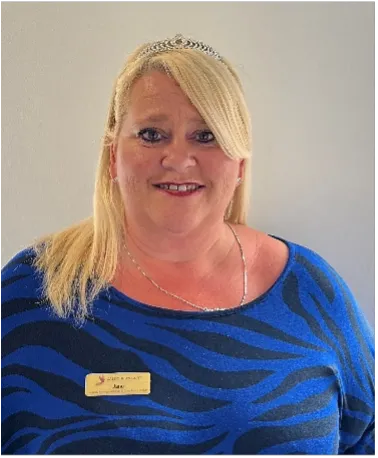
  • Jane Pearce - Deputy Manager at Cassiobury Court

    Jane Pearce

    Deputy Manager (Clinical Lead) View Bio

Who May Benefit from Schema Therapy?

Schema therapy for alcohol or drug addiction may be helpful to you if you:

  • Notice repeated unhelpful relationship patterns
  • Experience strong emotional reactions that feel difficult to understand
  • Hold persistent negative beliefs about yourself or others
  • Use alcohol or drugs in response to these recurring patterns
  • Have struggled to maintain behavioural changes despite previous treatment

This approach is not right for everyone, and suitability will be informed by an assessment before treatment begins.


Schema Therapy as Part of Long-Term Recovery

Schema therapy can help in the long term because if you recognise patterns earlier, it lessens the risk of them recurring. You need to get to the bottom of substance abuse issues, and schema therapy can help with that.

You’ll develop coping skills, apply the insights you learn outside of therapy, hopefully improving your life and navigating potential hurdles beyond rehab with stronger relapse prevention planning.

Cassiobury Court will help you with recovery planning beyond our centre, helping you connect to groups including AA, CA and NA during treatment so that you have the beginnings of a strong support network upon leaving.


Start Schema Therapy at Cassiobury Court

At Cassiobury Court, schema therapy is just one of several available approaches we employ as part of a comprehensive treatment plan. The treatment you receive with us will be personalised, informed by an assessment that considers a wide array of factors.

Contact our admissions team today on 08000014070 for a confidential talk about schema therapy, other treatment options and what the next steps are.

What addictions do we treat?

Our Private Treatment Services combine comfortable, quality accommodation; with outstanding therapy programmes that are proven to support your recovery from addiction.

Drug Rehab Thumbnail

Drug Rehab

At Cassiobury Court, we offer a residential rehab service for drug addiction at our London rehab centre. We provide comprehensive treatment programmes, expert medical and psychiatric staff, and a way forward for those seeking sobriety. Our treatment programmes are directed by medical professionals who ensure a completely safe and therapeutic environment for our clients. Each addiction […]

View More arrow
Alcohol Rehab Thumbnail

Alcohol Rehab

You can trust us to provide you with the very best care to get you back on the road to sobriety. To discuss treatment options available to you at our alcohol rehab centre, contact a member of our admissions team by filling out our contact form or by calling us on 01923 369 161. Personalised Alcohol Rehab […]

View More arrow
Cannabis Rehab Thumbnail

Cannabis Rehab

Our cannabis drug rehab programme can dramatically increase the chances of recovering from cannabis addiction. You may have heard that cannabis is not addictive. This is a myth. Most cannabis users may be able to consume the drug irregularly, but some cannabis users will develop an addiction to the drug. Research suggests that 22% to […]

View More arrow
Prescription Drug Rehab Thumbnail

Prescription Drug Rehab

Prescription drug addiction is an escalating issue in the UK, with millions of patients receiving medications with a risk of dependency each year. In England in 2025-2026, 96 million antidepressant items were prescribed to an estimated 9.1 million identified patients. The rise in prescription drug addiction proves to be a growing concern that demands effective […]

View More arrow
Cocaine Rehab Thumbnail

Cocaine Rehab

Cassiobury Court is a specialist residential cocaine rehab centre for adults aged 18 and over. If cocaine is affecting your health, relationships, work or finances, our cocaine rehab programme combines medically managed detox where needed, personalised psychological therapies and compassionate multidisciplinary support, with a personalised care plan developed within 24 to 48 hours of admission. […]

View More arrow

View all addictions we treat

View All Addictions arrow

Schema Therapy FAQs

Schema therapy is a type of talking therapy that works on identifying deep-seated, negative patterns and changing them.

Yes, schema therapy is part of a broader residential programme. You’ll undergo an assessment before treatment begins to decide if schema therapy will be part of your personalised care plan.

Yes, it can help you get a better understanding of triggers and develop healthier coping mechanisms.

Yes, it can help you see what underlying issues may be contributing to your drinking.

Schema therapy is centred around exploring lifelong patterns, while DBT focuses more on emotional regulation and coping skills.

No, it builds on CBT, using parts of it to help deal with deeper-rooted issues.

It can help you understand how these patterns lead to substance abuse and work on healthier coping mechanisms.

A schema is a recurring thought, feelings and beliefs built from early experiences.