Clinically Reviewed by
Dr. Olalekan Otulana (Advanced Practitioner)
All information on this page has been reviewed and verified by a certified addiction professional.
Published by Raffa Bari
Clinically Reviewed by
Dr. Olalekan Otulana (Advanced Practitioner)
All information on this page has been reviewed and verified by a certified addiction professional.
Overcoming addiction can be hard, and you’ll encounter many barriers on your recovery journey. A common problem in addiction treatment is that people want their lives to change for the better but are uncertain or ambivalent about stopping alcohol or drugs.
Cassiobury Court is a private drug and alcohol rehab that adopts motivational enhancement therapy alongside a range of other therapies to help treat substance abuse. This is part of our collaborative and individualised approach to addiction treatment, ensuring that people are at the centre of our care.
With this approach, we want to help people discover and explore their own reasons for wanting change, build up the motivation to act and support engagement with recovery efforts.
Motivational enhancement therapy (MET) is a therapeutic approach that is focused on those who may be ambivalent or unconfident about their ability to stop using drugs and alcohol. In these sessions, you will concentrate on figuring out your goals, values and reasons for changing your destructive behaviour.
This does not happen through a therapist interrogating you and being confrontational. Instead, it takes a collaborative approach to help you find your own motivation and strengthen your commitment to recovery.

People are complicated, and addiction is too. Those who suffer from addiction can recognise that what they are doing is bad for them and others, want to change, but at the same time are afraid of change and doubt their ability to do so.
Ambivalence is common in addiction and does not mean that you don’t care. Failed attempts and other factors can stop you from being fully motivated to make positive changes.
Motivation in addiction recovery is critical to achieving your goals. Without it, you won’t fully engage with treatment. Motivational work can support all your efforts by helping you identify personal, meaningful reasons for getting treatment, rather than just doing it due to pressure from others.
Motivational enhancement in drug and alcohol addiction treatment involves exploring your concerns and uncovering the differences between your current behaviour and what you want to achieve. You will discuss reasons for wanting change and set goals yourself, helping to turn motivation into practical steps.
Exploring Ambivalence About Alcohol or Drugs
You can be aware of your addiction being bad but still feel attached to the substances you use. This happens with plenty of people for many reasons, including:
Motivational enhancement for drug addiction or alcoholism can help you explore this internal conflict, without judgement, and hopefully boost your belief that you are capable of change.
Tim Pullman
8 Months AgoLisa Long
3 Months Agokelly heath
0 Months AgoNicholas Taylor
2 Months AgoMichelle P
7 Months AgoBrendan Mangan
8 Months AgoConfidence can be hard to build. It can be strengthened during sessions by first recognising where you have succeeded. You can see that you are capable of change, and you make the problem ahead more manageable by breaking it down into steps and goals, allowing you to feel a sense of progression.
You’ll identify your strengths to set recovery goals that suit you, look outwards at support systems that will help you reach these goals and get feedback in your sessions.
Motivational enhancement therapy is widely used across the UK to help those with addiction. Alcohol Change UK offers MET courses for practitioners to help them deliver these types of sessions to others.
It is used because it is effective in making people think about the consequences of their substance use and begin to be more involved in treatment planning, making them more likely to engage properly with detox and therapy. If motivation is maintained, this can support relapse prevention long after treatment has been completed.
Motivational enhancement for addiction is one of a wide range of therapies that we provide at Cassiobury Court.
The treatment you will receive with us is personalised, informed by a thorough medical and psychological assessment that will consider the severity of your addiction, potential risks, what your detox requirements may be and your overall recovery goals.
From this, a personalised care plan can be developed within 24 to 48 hours of your admission.
Our team includes experienced counsellors, psychologists, and medical professionals specialising in addiction treatment and mental health. We are passionate about helping people overcome addiction and achieve their goals for a healthier and happier life.
We hold the highest professional standards here at our CQC-registered rehab centre. Our fully trained GPs, Physchiatristes, Support Workers, Counsellors and Mental Health Nurses can deliver a comprehensive rehabilitation programme.
View All Team MembersMotivational enhancement therapy for addiction recovery will not take place in a vacuum. This form of therapy will work alongside other approaches to give you a comprehensive treatment plan.
Motivational enhancement therapy may increase your overall engagement with treatment, complementing therapies such as:
Motivational enhancement for addiction may benefit people such as:
Motivation, or lack of it, is not a fixed personality trait and you can change and evolve throughout treatment. Sometimes, you just need the help and tools to do so.
Motivation alone will not be enough to sustain long-term recovery. Instead, you have to use motivation to fuel your engagement with proper treatment. Sustainable recovery requires ongoing support, learning and honing practical skills and long-term planning.
At Cassiobury Court, the treatment you receive can support relapse prevention and coping skills development by helping you to recognise triggers, get peer and professional support, and prepare for setbacks.
Harnessing all this can help you make positive behavioural changes and be more emotionally robust when you leave our rehab centre.
Wanting to change doesn’t mean you need to have the whole journey mapped out. Even if you don’t feel completely ready, reach out to the team at Cassiobury Court today. You can have a confidential chat with our admissions team and undergo a short on-the-phone assessment to work out your needs and potential treatment options.
Motivational enhancement therapy may be a part of your journey; it may not. Call Cassiobury Court now at 0800 001 4070 to take the first step on your recovery journey.
Our Private Treatment Services combine comfortable, quality accommodation; with outstanding therapy programmes that are proven to support your recovery from addiction.
At Cassiobury Court, we offer a residential rehab service for drug addiction at our London rehab centre. We provide comprehensive treatment programmes, expert medical and psychiatric staff, and a way forward for those seeking sobriety. Our treatment programmes are directed by medical professionals who ensure a completely safe and therapeutic environment for our clients. Each addiction […]
View More
You can trust us to provide you with the very best care to get you back on the road to sobriety. To discuss treatment options available to you at our alcohol rehab centre, contact a member of our admissions team by filling out our contact form or by calling us on 01923 369 161. Personalised Alcohol Rehab […]
View More
Our cannabis drug rehab programme can dramatically increase the chances of recovering from cannabis addiction. You may have heard that cannabis is not addictive. This is a myth. Most cannabis users may be able to consume the drug irregularly, but some cannabis users will develop an addiction to the drug. Research suggests that 22% to […]
View More
Prescription drug addiction is an escalating issue in the UK, with millions of patients receiving medications with a risk of dependency each year. In England in 2025-2026, 96 million antidepressant items were prescribed to an estimated 9.1 million identified patients. The rise in prescription drug addiction proves to be a growing concern that demands effective […]
View More
Cassiobury Court is a specialist residential cocaine rehab centre for adults aged 18 and over. If cocaine is affecting your health, relationships, work or finances, our cocaine rehab programme combines medically managed detox where needed, personalised psychological therapies and compassionate multidisciplinary support, with a personalised care plan developed within 24 to 48 hours of admission. […]
View MoreIt is a therapy that helps you build motivation to enact behavioural change.
It can help you explore your ambivalence, maybe change it and strengthen your commitment to treatment.
No, Motivational Enhancement is more structured and short-term, with more feedback.
Yes, it can help you get a clearer idea of your recovery goals.
Yes, it can complement CBT.
It can support relapse prevention strategies.
Yes, it can be incorporated into your personalised treatment plan if appropriate.
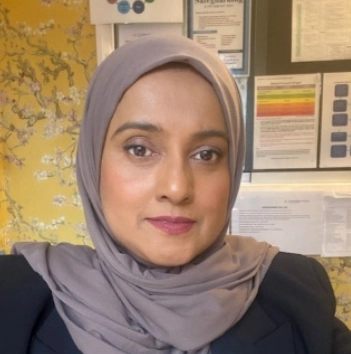
Raffa Bari - Author
Raffa manages the day to day caring services here at Cassiobury Court. Dedicated to the treatment and well being of our visitors she is an outstanding mental health coach registered with BAAT (British Association of Art Therapists). Raffa has outstanding experience in managing rehabs across the country and is vastly experienced at helping people recover from drug and alcohol addictions.
Dr. Olalekan Otulana (Advanced Practitioner) - Medical Reviewer
Dr. Olalekan Otulana MBChB, DRCOG, MRCGP, DFSRH, FRSPH, MBA (Cantab)
Dr Otulana is a highly experienced GP and Addiction Physician. He has a specialist interest in Substance Misuse Management and he has a wide range of experience in the assessment, management (including detoxification) and residential rehabilitation of clients with various drug and substance addiction problems. His main aim is to comprehensively assess patients with addiction problems and determine their treatment needs for medical detoxification treatments and psychological interventions. He is also experienced in managing patients who require dual drug and alcohol detoxification treatments.
A strong healthcare services professional with a Master of Business Administration (M.B.A.) degree from Cambridge University Judge Business School.