


Alcohol can affect every part of your body. Whilst we hear about the hidden damage it is doing to our brain, liver and heart, not everyone is hugely aware of the appearance effects of alcohol consumption.
Drinking alcohol heavily and frequently can lead to varying impacts on your skin, sleep and body weight. These effects are not the same for everyone and could have different causes.
Whilst physical changes may point towards a problem, appearance alone cannot reliably confirm unhealthy drinking habits, dependence or a medical alcohol addiction diagnosis.
How Can Alcohol Affect Your Appearance
Alcohol can change your appearance temporarily, which you may notice the next day or even when you’re drinking. These changes usually fade after the alcohol has left your system and you’ve rehydrated. However, persistent symptoms may point towards more serious health conditions that you should seek help to address.
Drinking habits alone may not influence appearance change. Factors such as existing medical conditions, diet, sleep and aspects of your lifestyle can also contribute to appearance change.
Facial Flushing and Rosacea Flare-Ups
Alcohol can lead to facial redness (flushing) in many people. This happens because alcohol is a vasodilator, meaning it widens blood vessels so blood flow increases closer to the skin, causing redness.
For people with rosacea, a chronic and incurable skin condition that causes facial redness, alcohol can trigger symptoms. It can be harder to notice the facial redness on darker skin, but rosacea can also cause warm skin and irritation.
Dry-Looking Skin and a Tired Appearance
Another worry can be alcohol and your skin. Alcohol is a diuretic, meaning it dehydrates you. Whilst you might link this to thirst, dehydration stops your skin from having the fluid and nutrients it needs, which can cause it to dry up and look dull and grey.
Drinking heavily will also disrupt your sleep. Without enough rest, it will definitely show on your face, causing puffiness and dark circles under your eyes.
Skin changes are not solely down to alcohol. If you are experiencing persistent skin problems, it may be due to another underlying condition, and you should talk to your GP about it.
Changes in Body Weight
Many people don’t link alcohol and weight gain. According to the NHS, a pint of lager contains 222kcal.
Alcoholic drinks and mixers contribute to your daily calorie and overall energy intake. The calories in alcohol are known as “empty calories” because they hold no nutritional value. Many who drink regularly don’t replace food with alcohol; they add it on top, leading to a larger calorie intake.
Alcohol can also increase your appetite and cravings, lowering your inhibitions to stop your desire to eat and reducing fat burning, meaning you keep what you put on.
Not everyone who drinks gains weight or develops what is seen as an alcohol body, like developing a “beer belly”. Weight changes vary, and unexplained swelling shouldn’t automatically be blamed on weight gain. It could signal something more serious, so get checked out by a doctor.
When Visible Changes May Signal a Health Problem
Specific appearance changes can be a sign of more serious health issues and even be due to alcohol-related liver disease.
Symptoms of this include:
- Jaundice (yellowing of skin)
- Unexplained bruising
- Persistent abdominal or leg swelling
These can all happen because of liver disease, but there are other causes as well (e.g. heart and kidney disease), which is why it’s important not to self-diagnose. Yes, they can point to a serious issue, so you should seek a medical assessment as soon as you can.
If you notice jaundice or sudden, significant swelling, book an appointment with your GP or call the NHS at 111 for advice.
In some cases, the situation may be more urgent. Call 999 if you are experiencing symptoms such as:
- Vomiting blood
- Black, tarry stools
- Becoming confused
- Collapsed
Can Your Appearance Improve After Reducing Alcohol?
Stopping is good for your health and can have many benefits. What you may notice in the short term is a difference in your appearance after quitting alcohol.
When you stop drinking, more immediate effects can include sleeping better, better hydration and healthier-looking skin. These changes can vary between persons and is not a guarantee. If you have more lasting damage, reversal may not be possible, and weight loss can be dependent on other factors.
Supporting Skin and General Health
Beyond stopping your drinking or cutting down, there are plenty of other things you can do to support your skin and overall health.
- Get enough sleep – Better sleep can support skin repair and improve your energy levels. It can also reduce puffy eyes and bags under your eyes.
- Balanced nutrition – Eating a balanced diet ensures your body gets the nutrients it needs to function properly.
- Appropriate hydration – Staying hydrated helps your skin retain moisture, repair and strengthen it.
- Gentle skincare – A skincare routine (cleanser, moisturiser) helps clean and protect your skin.
When to Seek Help for Your Drinking
Getting help for an alcohol problem early on can really pay off in terms of your overall health. There are a few signs that you might have a drinking problem and need some support:
- Cravings that are getting increasingly hard to ignore
- Feeling like you’ve lost control over how much you drink
- Being unable to cut down no matter how hard you try
- Knowing you’re drinking is causing problems, but just can’t seem to stop
It’s also worth turning to the professionals even if you dont seem to be showing up with any obvious addiction issues – sometimes it’s just as well to get some outside advice. Your GP is a good place to start, or you can reach out to local services that deal with drinking and drug problems, and of course there are plenty of private rehab options out there too. Those next steps – and the ones after – can be a bit scary, but they can also be a big weight off your shoulders.
If reducing how much you drink starts causing withdrawal symptoms, then it’s a strong sign that you are physically reliant. Before you even think about stopping cold turkey, get some medical advice – it’s not worth the risk. Quitting in a guided programme is much safer.
How Cassiobury Court Can Help You
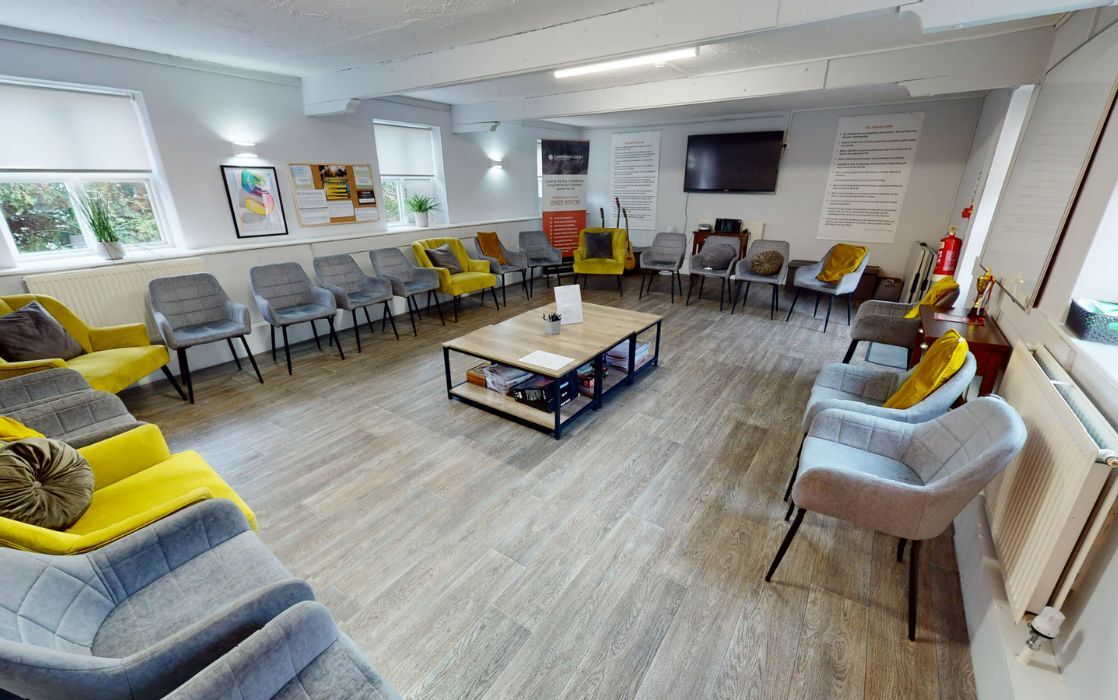
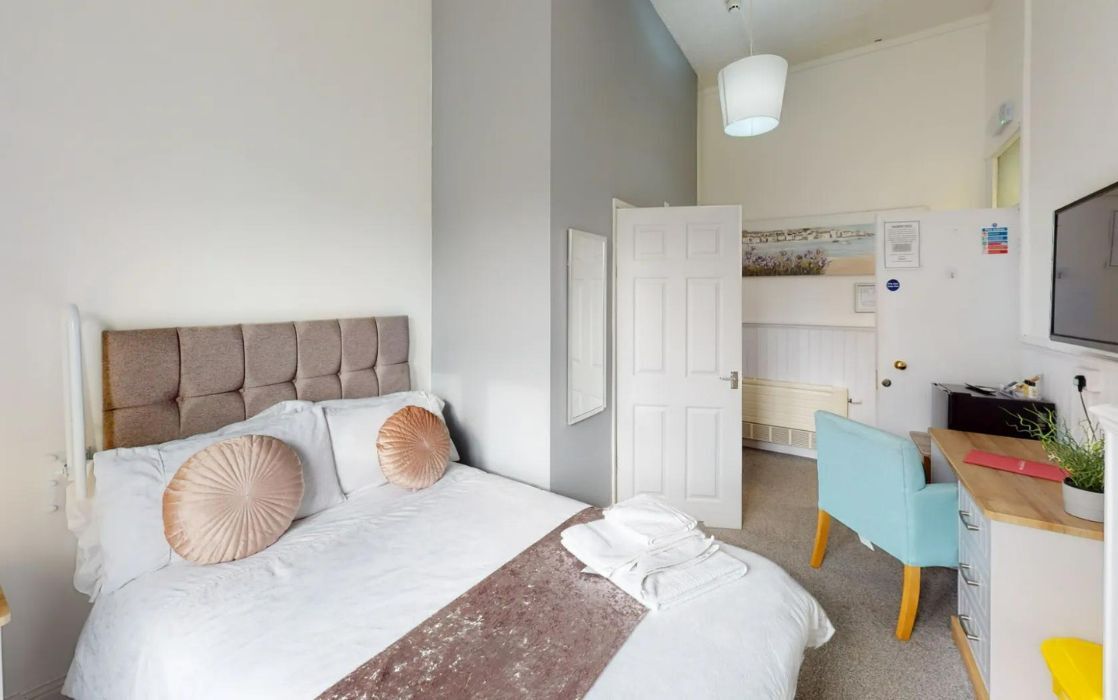
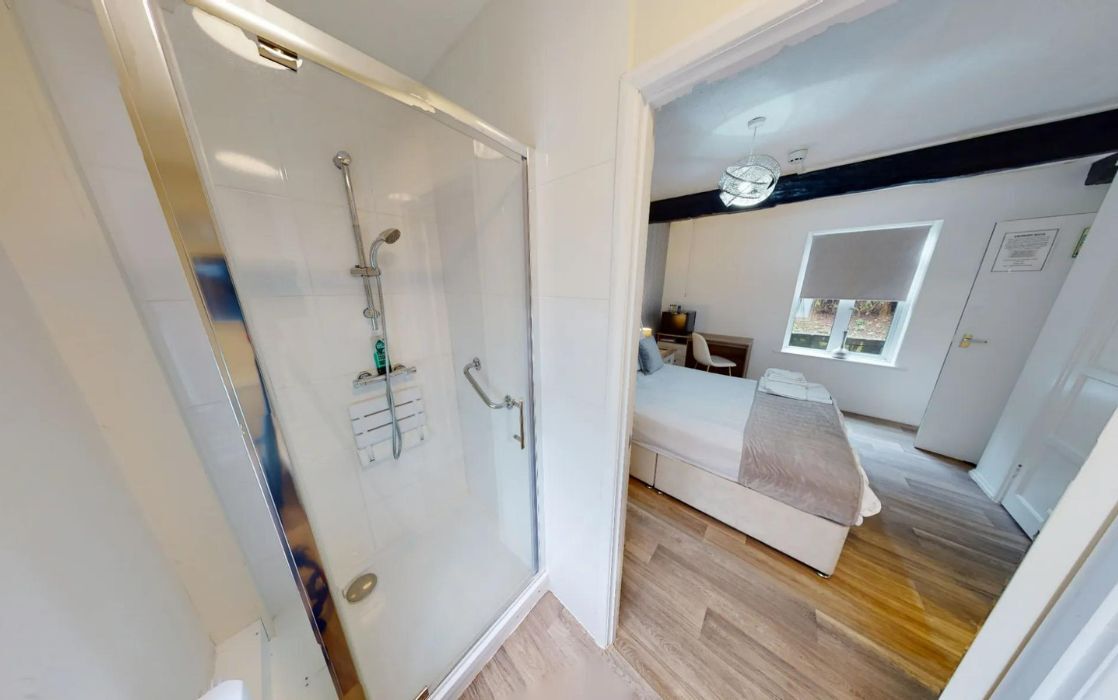
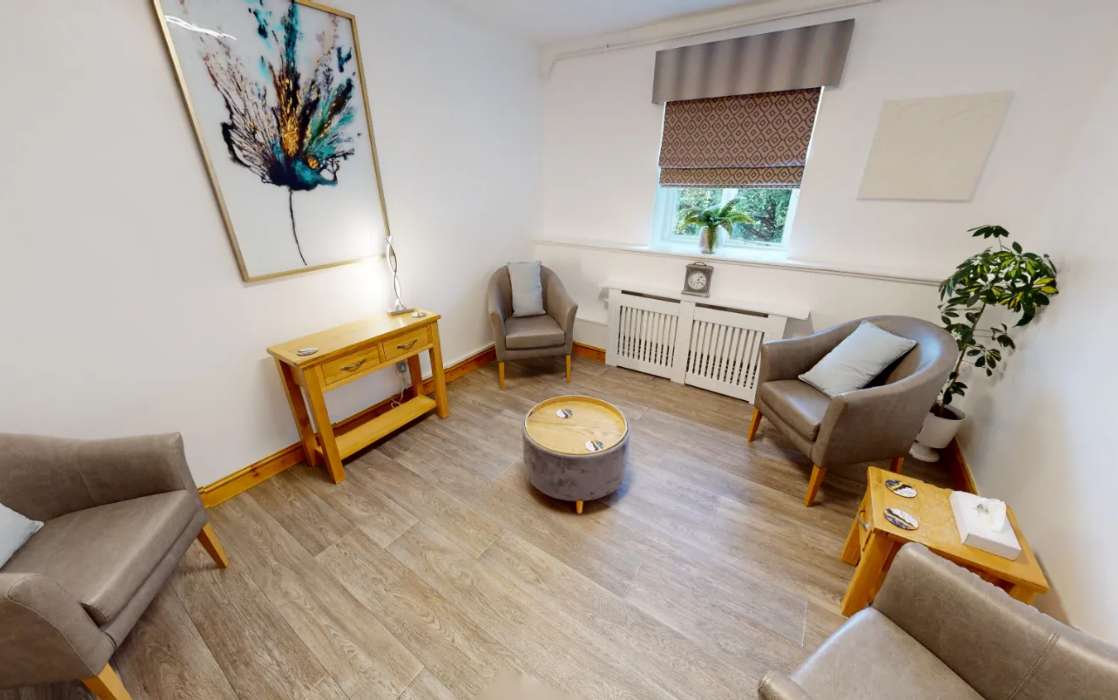
Cassiobury Court is a rehab centre in Watford where people can go for some serious help with their drinking and substance abuse issues.
We get to know each person who comes here, and work out a treatment programme that’s just right for them. Before we get started, we do an assessment so we can tailor a plan that’ll work best – that means a medical detox, some talking therapies and ongoing support to help them stay on track. We want their treatment to work, so we take a really thorough approach.
Helping you get control over your drinking is what our alcohol dependence support’s all about – we tackle the underlying reasons you’re drinking too much too.
If you’re ready to take the first step, our admissions team are here to give you some discreet advice on what might work best for you.














Related Pages
- Alcohol Addiction Help

- Alcohol Addiction Intervention
- Alcohol Detox
- Alcohol Rehab
- Alcohol Withdrawal
- Am I An Alcoholic?
- Free Alcohol Addiction Helplines
- Giving Up Alcohol: What To Really Expect
- How Long Does Alcohol Stay In Your System?
- How To Help An Alcoholic
- Outpatient Alcohol Rehab
- What Happens After Alcohol Rehab Ends?
- Alcohol Addiction Counselling
- Alcohol Addiction Support Groups
- Alcohol Dependency
- 12 Step Approach to Alcohol Addiction Rehab
- Alcohol Rehab For Women
- Alcohol Rehab in the UK
- Alcohol Shakes and Tremors
- How Effective Is Alcohol Rehab?
- How Much Does Alcohol Rehab Cost?
- Medications for Alcohol Withdrawal
- Paying For Alcohol Rehab
- Types of Therapies for Alcoholism


