

If you’ve ever really struggled with sleep, you’ll understand what real exhaustion feels like. And when you’re exhausted, you’ll try almost anything just to get a few hours of rest.
When going to the doctor for problems with sleep, melatonin often comes up as a safe option. It sounds harmless, but for people who are vulnerable or may have had problems with addiction in the past, is there a potential risk of becoming addicted to melatonin?
What Melatonin Actually Is
Melatonin isn’t a drug in the way alcohol, opioids, stimulants, or sedatives are because it’s a hormone your body already makes.
Your brain signals and then releases melatonin when it starts to get dark. That release tells your body that essentially, it’s time for you to slow down. Heart rate drops slightly, body temperature shifts, and your brain moves towards sleep mode. So, when people take melatonin as a tablet, gummy, or liquid, what they are doing is topping up that natural signal, and it’s usually because their body clock is out of sync.
Why Do People Take Melatonin?
People will typically take melatonin if they:
- Experience short-term sleep disruption
- Jet lag
- Are an older adult with reduced natural melatonin
- Can’t fall asleep at all
- Wake up every hour
- Jolt awake with anxiety
- Have vivid dreams or nightmares almost every time they try to sleep
- Feel exhausted but wired
Melatonin often feels like a gentler short-term option if you compare it to sleeping tablets. And in many cases, it is.
Can You Get Addicted to Melatonin?
You can’t get melatonin is not addictive in the medical sense because it does not:
- Create cravings
- Produce a high
- Trigger the brain’s reward system
- Lead to drug-seeking behaviour
- Cause physical withdrawal
You don’t build tolerance in the same way you do with alcohol or sedatives. You don’t need more and more to get the same effect.
From a chemical and neurological point of view, melatonin does not behave like an addictive substance. But although melatonin isn’t addictive, people can still become reliant on it.
At first melatonin may help someone going through a period of bad sleep, whether that’s because of jet lag, shift work or people whose sleep is just simply out of whack. Over time their sleep can become linked to taking the tablet rather than to natural tiredness, which can lead to worries such as not being able to sleep without it, concern about running out, or feeling unable to manage another night of broken sleep.
In these situations, melatonin may no longer be supporting sleep itself but instead reinforcing anxiety around sleep. This is not addiction but it can become a psychological reliance.
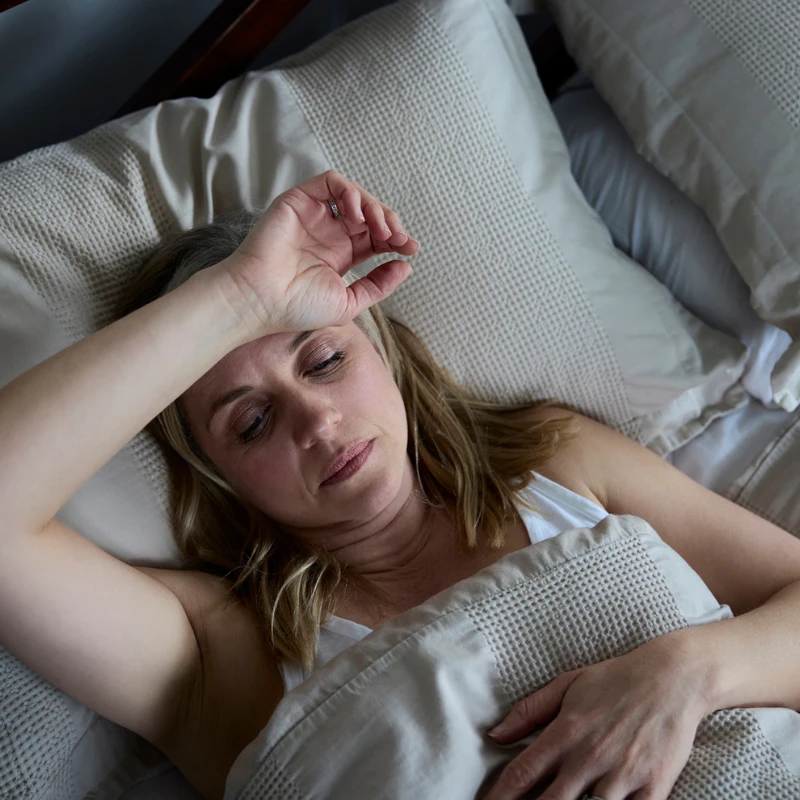
What Happens If You Stop Taking Melatonin?
Most people can stop taking melatonin without any serious issues because there isn’t a physical withdrawal that comes with stopping. But what can happen is:
- You’ll experience a few nights of potentially very poor sleep
- Increased awareness of being awake
- Anxiety about not being able to sleep
If you’ve been taking melatonin to sleep for a long time, you might experience rebound insomnia (slightly worse sleep at first before it gets better). But in reality, your body hasn’t forgotten how to sleep, it’s just adjusting.
If you are in recovery, that adjustment period can feel harder because sleep is already fragile.
Melatonin Side Effects People Don’t Always Expect
Melatonin is often described as harmless, but some people do notice unwanted effects.
These can include:
- Feeling groggy or foggy the next day
- Headaches
- Vivid dreams or unsettling nightmares
- Feeling low or emotionally flat
- Increased anxiety in some people
These effects are more likely when:
- The dose is too high
- It’s taken late at night
- It’s used long-term without review
More isn’t better with melatonin. In fact, lower doses often work better.
Melatonin Use Long Term: What’s the Main Concern?
It’s worth pausing prolonged melatonin use if you’re starting to feel anxious about sleeping without it or you’ve been taking it every night for months.
Melatonin is usually meant for short-term use. When it is taken for months or years, it can cover up the real reasons for poor sleep. Ongoing sleep problems are often linked to anxiety, stress, low mood, or past trauma. Melatonin may help someone fall asleep, but it does not deal with these underlying issues. This can delay people from getting the right support.
Another issue is that using melatonin long term can stop the body from relearning how to sleep naturally. Sleep is strongly linked to routine and the body’s internal clock. When a tablet is used every night, the body may become less confident at settling into sleep on its own.
There is also a risk of linking sleep too closely with medication. Some people start to believe they cannot sleep without taking something, and this can increase worry and make sleep problems worse.
Supporting Sleep Without Replacing One Habit With Another
Good sleep in recovery usually comes back slowly. There’s no quick fix.
Sleep improves when the nervous system feels safer. That comes from emotional support, having a routine in place and letting the body settle at its own pace.
You can support your sleep by:
- Going to bed at the same time, even after a bad night
- Getting up at the same time, even when you’re tired
- Letting the body relearn tiredness naturally
- Reducing stimulation in the evening
- Learning how to sit with discomfort instead of fighting it.
Need Support? Reach Out
If sleep problems are happening alongside worries about alcohol, drugs, or other substance use, it may help to talk to someone. Support is available, and you do not have to manage it on your own.
Call our team today on 08000014070 or use our contact form, and a member of our team will reach out to you.


