


Published by John Gillen | Last updated: 2nd November 2026
Ritalin Detox & Rehab
Background of Ritalin Addiction
Ritalin prescriptions have tripled in the UK since 2007. The drug works by increasing the concentration of dopamine in the brain. Ritalin is known as a ‘central nervous system stimulant’. Users feel more alert and attentive.
High dosages of Ritalin cause users to experience a ‘high’ similar to that experienced during amphetamine or cocaine use. This is because Ritalin increases dopamine levels in the brain. Dopamine is described as the brain’s ‘feel good hormone’.
Users become addicted to this increase in dopamine levels. Chronic users often inject or snort Ritalin in order to increase the feeling of euphoria. Injecting Ritalin can lead to a chronic lung disease known as pulmonary emphysema.
Symptoms of Ritalin Addiction
Side effects of Ritalin addiction include:
- Lethargy
- Loss of libido
- Nausea
- Psychosis
- Suicidal thoughts
- Rapid heartbeat
- Headaches
- Dizziness
- Depression
- Hallucinations
- Raised blood pressure
- Loss of hair
How we treat Ritalin Addiction
Cassiobury Court offers a comprehensive Ritalin detox and rehabilitation programme. The programme takes place at our seventeenth-century facility located just thirty minutes north of Central London. This programme begins with a medically assisted detox. Here, traces of Ritalin are removed from the body. Prescription medications are offered to ease withdrawal symptoms associated with Ritalin withdrawal.
Common Ritalin withdrawal symptoms include:
- Confusion
- Fatigue
- Insomnia
- Anxiety
- Depression
Ritalin Detoxification
When you enter our residential rehabilitation in Greater London, you will likely undertake an initial drug detoxification. Ritalin detox is often problematic due to a number of arising withdrawal symptoms.
Common Ritalin withdrawal symptoms include:
- Inverted sleeping pattern
- Mood swings
- Anxiety
- Depression
- Intense cravings for the drug
During detoxification, our medical team observes the above symptoms closely, particularly during the ‘acute period’ of Ritalin detox. You maybe offered prescription drugs which reduce the above symptoms associated with Ritalin detoxification.
Offering a medically assisted Ritalin Detox
Many of our clients build up a tolerance to Ritalin. This means clients are consuming vast amounts of the drug in order to achieve the desired ‘high’. Chronic users experience painful withdrawal symptoms during detox. This is because Ritalin withdrawal causes a drop in the hormone dopamine within the brain.
Withdrawal symptoms begin within 4-8 hours after Ritalin was last consumed. Symptoms cease after 5-7 days.
Psychological Treatment We Offer
Once clients stabilise during detox, the rehabilitation programme progresses into psychological treatment. Patients receive therapy and counselling sessions designed to tackle the emotional causes of Ritalin addiction. Therapy takes place in group or individual therapy sessions. A qualified therapist supervises all sessions, making sure clients participate fully. Common therapy methods employed at Cassiobury Court can include Cognitive Behavioural Therapy (CBT), coping skills development and group therapy, to name a few.
12-month Aftercare Programme
Once emotional triggers of Ritalin addiction are addressed, a comprehensive relapse prevention plan is drawn up. This plan aims to make sure clients avoid relapse following their return to everyday life outside of the rehabilitation centre.
Free aftercare is provided up to 12 months following the completion of Ritalin rehabilitation. We also support and can provide connections to mutual aid and local fellowships.
About Us
Cassiobury Court is a drug and alcohol rehabilitation centre located in Watford. To learn how addiction is treatable, please visit our private drug and alcohol rehab page. Call today or complete the enquiry form.
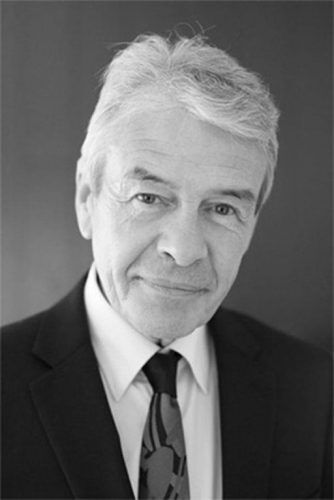

John Gillen is a leading addiction treatment expert with over 15 years of experience providing evidence-based treatment methods for individuals throughout the UK. John also co-authors the book, The Secret Disease of Addiction, which delves into how the addictive mind works and what treatment techniques work best.


