


Published by Raffa Bari
We have treatment centres for cocaine rehab in Birmingham
Cocaine can be a very addictive drug, and it is important to get help if you are struggling with addiction. If you live in the Birmingham area, there are several excellent rehab facilities that we can offer you to help you overcome your addiction.
Recovering from cocaine addiction can be difficult, but it is worth it to get your life back on track. There are many different programs available and we can assist in finding one that fits your needs, please do not hesitate to contact our admissions team today to kick start your recovery.
Get Help in Birmingham Now in
We offer residential cocaine rehab in the Birmingham area
Call us on 0800 001 4070
Cocaine Rehab Birmingham
Cocaine Rehab Clinic Available in Birmingham
Request A Callback
We offer a free, zero obligation consultation. We offer rehab in your local area contact us today to find out what we can do for you.
Cocaine Rehab in Birmingham
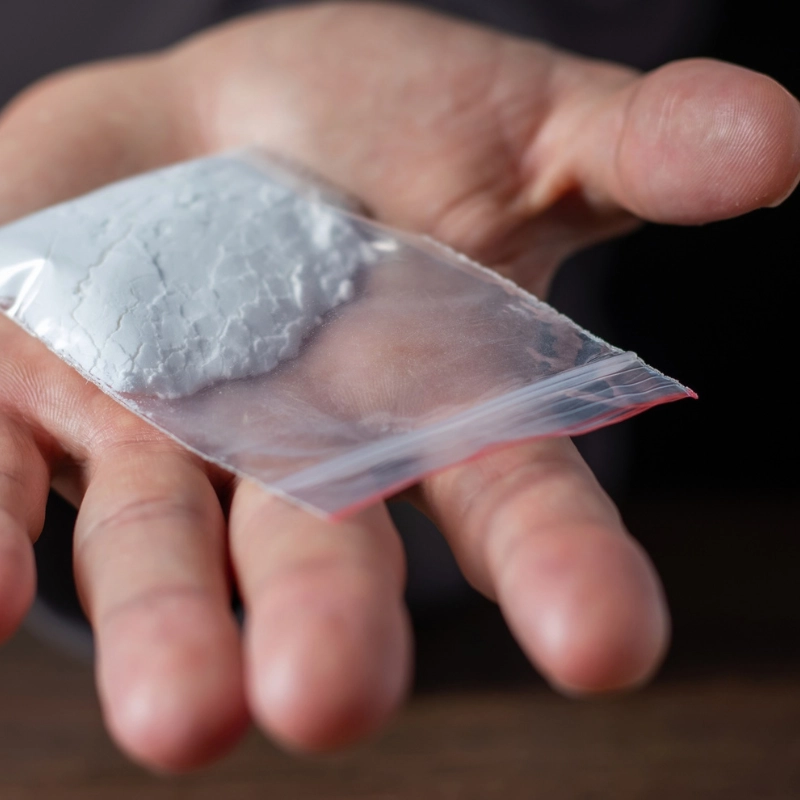
Cocaine, or coke, as it’s more commonly known, is a highly addictive drug. The brain changes if you use it, releasing dopamine that makes people feel happy and confident. But these effects only last for just a short time. You crave more as they start to wear off, leading to excessive use and addiction.
There are 3 types of cocaine, all different in appearance. Coke is a fine white powder; crack is rough like tiny rocks; freebase is hard and crystalline. Despite having differing appearances, all three types are highly addictive and produce similar effects. You’ll likely use one kind of cocaine over the other, either by snorting, injecting as a prepared liquid or smoking it. It can often go hand in hand with alcohol issues too, with many drug rehab in-patients also engaging with alcohol rehab.
Signs That A Family Member Or Friend Is Addicted
There is no typical cocaine addict. Many people have typically ‘blue-collar’ jobs, a university education, and come from comfortable middle-class backgrounds. Others struggle with unemployment, family issues and a difficult upbringing. Knowing when a friend or family member is addicted to cocaine can be tricky, as many take drugs in secret.
Here are some signs to look out for:
- Regular nosebleeds or misshaped nose septum due to snorting the drug
- Sudden excitement, mood swings, aggression, arrogance or becoming very talkative
- Dilated pupils and a runny nose
- Weight loss
- White powder crusted around the nose
- Drug equipment in the person’s room, such as rolled-up banknotes, spoons (for burning cocaine to inject) and syringes
- Changes in sleeping habits such as sleeping late or not at all
- Money, relationship and family problems
How Do I Know If I’m Addicted?
If you’ve tried to reduce the amount of cocaine you’re taking and it hasn’t worked, you’re likely addicted. You don’t have to take cocaine every day to be an addict; it can be a few times a week, but if you crave it, you have a problem. If you recognise any of these signs in yourself, then it’s time to seek help:
- One of the first things you’ll notice is that you’re spending lots of money on cocaine. At around £40 for a one-gram bag or £20 for a rock, addiction is a drain on your finances. You may borrow money, use high-interest loan sharks, steal from family or sell your personal possessions to fund your habit.
- You crave cocaine and want more of it when the euphoric effects wear off.
- You’re staying up late, all night or using it throughout the day, rather than occasionally.
- You often feel aggressive, over-confident, or talkative when using cocaine. When these effects wear off, you feel anxious, unconfident, panicky or sad.
- Your nose and throat hurt due to cocaine, and you’re often getting nosebleeds.
- Weight loss. Cocaine suppresses the appetite.
- You’re taking risky behaviours such as having unprotected sex, or getting into fights.
- You may have lost your job or are experiencing work problems due to mood changes, tiredness, or lack of focus.
- You feel generally unwell, both physically and mentally. For example, you’re feeling more anxious than usual.
Could Cocaine Rehab in Birmingham Help Me?
 Conquering an addiction on your own can be tricky. A stay at a specialist cocaine rehab centre such as Cassiobury Court will help you beat your cocaine habit and give you the tools to live a drug-free life.
People are often nervous about staying away from home, but rehab centres are welcoming and comfortable sanctuaries. As an inpatient, you’ll meet other people who are determined to break their addictions — this is a big motivator and support.
The first step of rehab is a drug detox. Detox is a safe process, monitored by doctors, where you stop taking cocaine. Your body detoxes the drug, and you’ll experience some uncomfortable withdrawal symptoms as toxins leave your system, but doctors are with you for the duration. A detox lasts between 7 and 10 days, depending on your addiction. You may be prescribed medication to help your cravings.
After completing your detox, you’ll start the long-term rehabilitation journey, starting with therapy. People become addicted to cocaine for many reasons, and you’ll explore your own story through individual counselling and group therapy. Talking therapies such as CBT (cognitive behavioural therapy) get to the root of why you became addicted and give you tools to help you avoid drugs in the future.
People stay in a rehab centre, such as Cassiobury Court in Birmingham, for 30 to 90 days. Every rehab centre has an admissions team who advise what kind of treatment plan you need. If you have a mild addiction, you can complete outpatient cocaine rehab, meaning you stay at home and attend rehab every day or a few times a week. Outpatient rehab works for people who need to work or have family commitments.
Addiction Has Impacted My Mental Health – Will Cocaine Rehab Help?
Cocaine addiction has a massive impact on mental health. Cocaine rehab centres help you manage your mental health through a combination of therapy and, in some cases, medication to help get it under control.
If you’re already managing a mental health condition such as anxiety or depression, cocaine use worsens it. Excessive use leads to paranoia, anger and aggression, psychosis and hallucinations. Mental health specialists will work with you to help you feel your best. You’ll likely try various forms of counselling, group therapy and family therapy, all designed to help you better understand your mental health.
Will I Get Any Long-Term Support?
Your treatment plan doesn’t end when you leave a drug rehab centre; you’ll usually get 12 months of free aftercare and support. Staying away from temptations and changing destructive routines is key to breaking a cocaine addiction. Support groups such as Narcotics Anonymous are a fantastic help, as you’ll meet others who motivate and inspire you to stay drug-free.
You’ll continue receiving individual counselling, family therapy and 24-hour phone support from professionals if you need it. Cocaine rehab isn’t just short term; relapse prevention plays a massive role in your recovery. With the right support package, thousands of people break their cocaine addictions for life.
Our Treatment Centres
We have local CQC-approved rehab treatment centres around the United Kingdom where you will find our friendly team of doctors, nurses, and support staff. Our team aim to provide the best care possible for every client we treat. We focus on safety and support to help people achieve long-term recovery in a warm, caring and tranquil environment.






CQC Registered Manager
Raffa manages the day to day caring services here at Cassiobury Court. Dedicated to the treatment and well being of our visitors she is an outstanding mental health coach registered with BAAT (British Association of Art Therapists). Raffa has outstanding experience in managing rehabs across the country and is vastly experienced at helping people recover from drug and alcohol addictions.
Our Blogs
View our latest blog posts relating to addiction and mental health topics.
 29 Sep, 26
How Long Does Fentanyl Stay in Your System?
Fentanyl is a strong synthetic opioid that can be prescribed to treat severe pain but has gained worldwide notoriety due to overdose deaths. In the US in 2024, there were nearly 48,000 deaths related to fentanyl. Those who take this opioid will ask themselves, ‘How long does fentanyl stay in your system?’ This is a […]


24 Sep, 26
How to Stop Alcohol Sweats
Sweating is a common physical response when you drink. It can occur while you are drinking, when you’re suffering from a hangover or as a symptom during withdrawal. No one wants to be a hot, sweaty mess all the time, so asking “how to stop alcohol sweats” is a pretty common refrain for people who […]

21 Sep, 26
Signs of Ketamine Use: What To Look Out For
Despite its reputation as a party drug in some circles, ketamine carries a real risk of harm. Recognising possible signs of ketamine use could help some people to access support before serious harm develops. There is no single physical or behavioural sign that proves ketamine use, but there are some that, taken together, could indicate […]
- 29 Sep, 26Read More
How Long Does Fentanyl Stay in Your System?
Fentanyl is a strong synthetic opioid that can be prescribed to treat severe pain but has gained worldwide notoriety due to overdose deaths. In the US in 2024, there were nearly 48,000 deaths related to fentanyl. Those who take this opioid will ask themselves, ‘How long does fentanyl stay in your system?’ This is a […]
- 24 Sep, 26Read More
How to Stop Alcohol Sweats
Sweating is a common physical response when you drink. It can occur while you are drinking, when you’re suffering from a hangover or as a symptom during withdrawal. No one wants to be a hot, sweaty mess all the time, so asking “how to stop alcohol sweats” is a pretty common refrain for people who […]
- 21 Sep, 26Read More
Signs of Ketamine Use: What To Look Out For
Despite its reputation as a party drug in some circles, ketamine carries a real risk of harm. Recognising possible signs of ketamine use could help some people to access support before serious harm develops. There is no single physical or behavioural sign that proves ketamine use, but there are some that, taken together, could indicate […]


