


Published by Raffa Bari
We have treatment centres for drug and alcohol rehab in Dartmouth
Are you searching for a drug and alcohol rehabilitation centre in Dartmouth? Then you’ve come to the right place. Here at Cassiobury Court, our private drug and alcohol treatment programmes are highly effective in supporting your journey to long-term recovery.
Have you ever considered joining a drug or alcohol rehabilitation programme? Perhaps you’ve thought you can deal with the challenges of addiction on your own at home? We can assure you, that by choosing our rehab, you’ll be making the best decision for your physical and psychological health.
Our team of experienced specialists treat each individual with the utmost respect whilst guiding you to achieve long-term recovery from drug or alcohol addiction.
Get Help Now in Dartmouth
We offer residential treatment which is near to the Dartmouth area
Call us on 0800 001 4070
Treatment in Dartmouth
Drug and Alcohol Rehab Centres in Dartmouth
Request A Callback
We offer a free, zero obligation consultation. We offer rehab in your local area. Contact us today to find out what we can do for you.
Drug and Alcohol Rehab Dartmouth
It may feel overwhelming when searching for a treatment service as there are so many options available to you. Whether you decide to tackle your drug or alcohol addiction at home, by using the NHS treatment options or by embarking on your recovery journey with trained addiction specialists like ourselves, each experience will be unique with varying degrees of success.
Find a treatment centre which suits you
It may not surprise you to learn that the least effective, however, more commonly favoured, is to attempt recovery at home. In our experience, we know that individuals who suffer from drug or alcohol addiction struggle to admit they need professional support.
By attempting to recover at home, no verbal acknowledgement of the problem is needed. In addition to not having to verbally acknowledge your addiction to anyone else, home detoxification can be extremely dangerous, ineffective, and not recommended for anyone, no matter how mild the side effects may be. Tackling addiction requires a psychologically driven treatment programme in order to fully recover, this cannot be achieved alone in a home setting.
Another option is of course to utilise the free treatment services which the NHS offers. However, the treatment programme provided can be inconsistent, low quality and ineffective. As more pressure is placed on local health services, their time, resources, and availability become less and less for drug and alcohol treatments. In most instances with drug or alcohol addicts, treatment is needed immediately. Having to join a long waiting list can be detrimental to your recovery process.
The most effective treatment option is to visit a private drug and alcohol rehabilitation centre like ours in Dartmouth. With the facilities and resources to offer both outpatient and residential treatment programmes, at Cassiobury Court we ensure all our clients receive a tailored, valuable treatment option for drug or alcohol addiction.
We pride ourselves on our positive, focused approach utilising leading rehabilitation methods like our detox clinic for drug detoxing and alcohol detox. Our expert team of dedicated medical professionals support you throughout your journey, giving you the best chance of success. If long-term recovery is what you’re looking for, then come straight to our drug and alcohol rehab Dartmouth; you won’t regret it.
What are the benefits of private drug and alcohol treatment centres?
Many people have a perception that private rehab places for drugs or alcohol are very expensive. When in actual fact, many rehab centres have varying treatment programmes to suit different budgets. Of course, some form of investment is required, however, the value of turning your life around for the better is well worth the expense.
The fact that our drug and alcohol rehab Dartmouth is private, in every sense of the word, means that you don’t have to face masses of public acknowledgement. Our rehab centre is secluded and completely confidential with every aim to create a personalised, homely environment to suit your needs.
In addition to a relaxed setting, our rehab centre offers leading drug or alcohol addiction treatments covering a range of traditional and non-traditional methods which focus on rehabilitating your physical and psychological well-being. It’s essential for our programmes to be structured and consistent, whilst employing a form of flexibility as you adapt and evolve along your recovery journey.
Our dedicated team supervise your progress 24/7, allowing for variations or different methods to be utilised. We understand that everyone has a unique journey into drug or alcohol addiction, and therefore will have a unique journey through their recovery. It’s vital that we adopt a tailored approach for each of our clients as it’s unrealistic to expect a ‘one fits all’ approach to be effective.
Specialised drug and alcohol treatment programmes
We will initially conduct a full clinical assessment to look at the severity of your addiction as well as your mental and physical health. This enables us to tailor a treatment programme that will work best for you. Our high levels of personalisation ensure a suitable programme is followed to heal your individual type of drug and alcohol addiction and to target the underlying cause.
We do feature some core treatment options that have proven to be very effective, we will likely recommend these in most cases. Our drug and alcohol detox clinic is a staple of most treatment programmes as it cleanses your body of harmful toxins so you can then work towards cleansing your mind.
There can be side effects to detoxification such as withdrawal symptoms, some of which can be dangerous if not professionally supervised. Our team are continuously on hand to ensure your safety throughout this challenging process.
Other treatment options available are cognitive behavioural therapy, support groups and therapeutic rehabilitation. Our range of specialist therapy sessions are varied to help you work through any concerns and to build up your own set of personal tools needed to secure a long-term recovery.
Our free 12 months aftercare programme is an invaluable feature that is there to keep you motivated once you’ve completed your residential treatment and to also prevent any relapses.
Start your journey to recovery today
If you’re struggling with drug or alcohol addiction in Dorset, we highly recommend that you consider a private rehab centre like ours. Once you’re ready to commit to a new life free from drugs or alcohol, we’re here to help you achieve success. Get in touch with us today on 0800 001 4070 and start your journey to recovery.
Our Treatment Centres
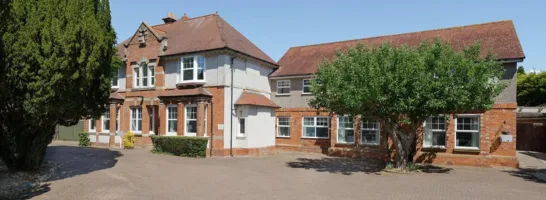
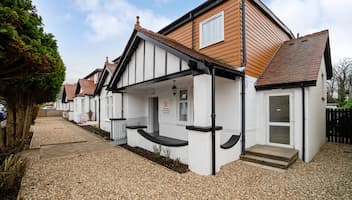
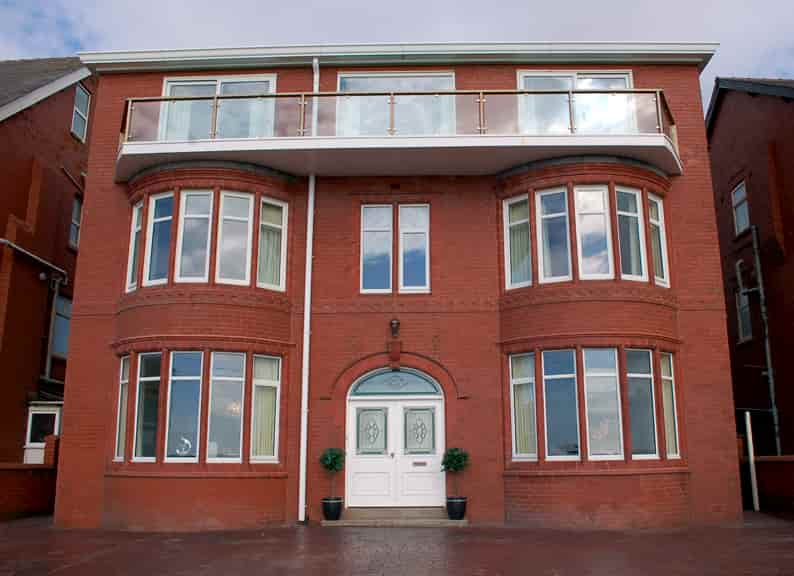
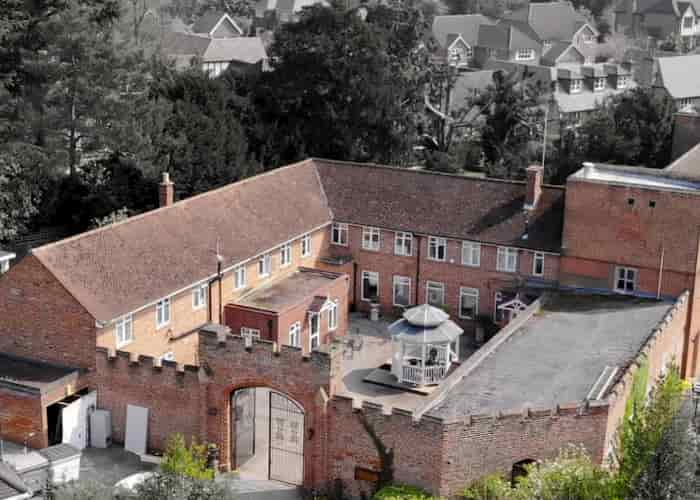
We have local CQC-approved rehab treatment centres around the United Kingdom where you will find our friendly team of doctors, nurses, and support staff. Our team aim to provide the best care possible for every client we treat. We focus on safety and support to help people achieve long-term recovery in a warm, caring and tranquil environment.


CQC Registered Manager
Raffa manages the day to day caring services here at Cassiobury Court. Dedicated to the treatment and well being of our visitors she is an outstanding mental health coach registered with BAAT (British Association of Art Therapists). Raffa has outstanding experience in managing rehabs across the country and is vastly experienced at helping people recover from drug and alcohol addictions.
Our Blogs
View our latest blog posts relating to addiction and mental health topics.
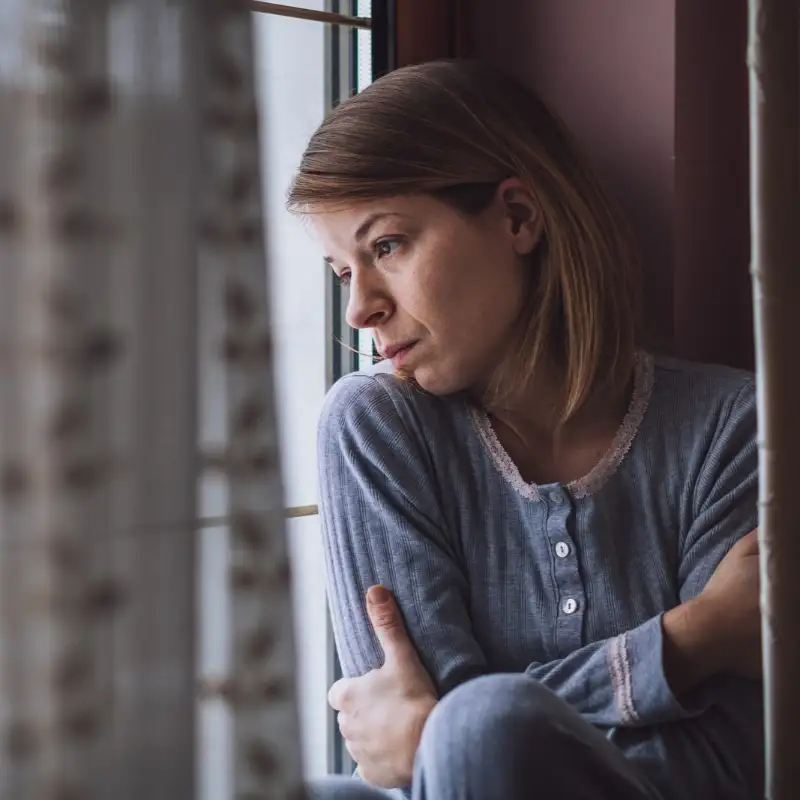
 20 Nov, 26
Complacency in Recovery: Why Relapse Can Happen After Years Sober
Recovery from addiction and substance misuse is an ongoing process, not a single event or outcome. Many people describe it as a lifelong process and will continue to describe themselves as ‘in recovery’ even after years of sobriety. However, a return to substance use can happen, even after long periods of recovery. There is no […]

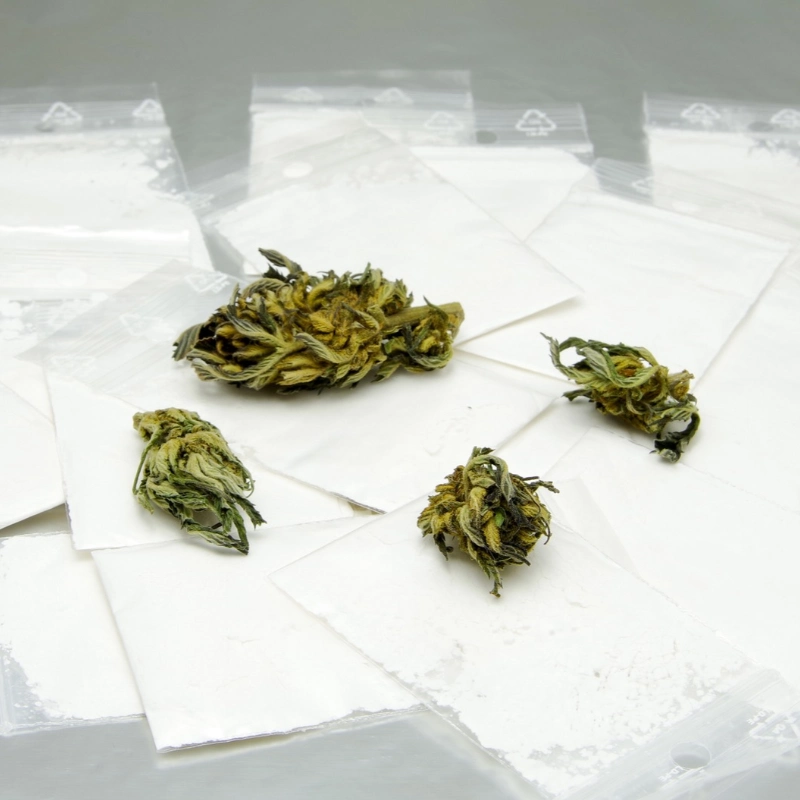
18 Nov, 26
Is Monkey Dust the Same as Spice?
The short answer is no: Monkey Dust and Spice are not the same. Monkey Dust is the street name for products that are synthetic cathinones, whilst Spice is the name used to describe some synthetic cannabinoid drugs. These drugs are becoming more well-known and widely used, with 75 deaths involving synthetic cathinones occurring between 2019 […]
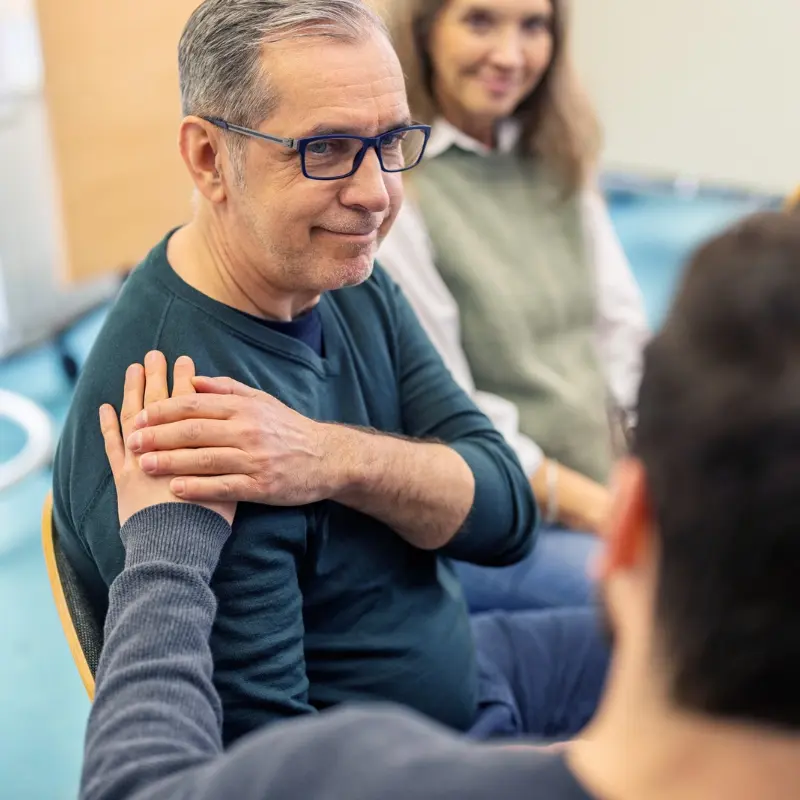
18 Nov, 26
What Is Motivational Enhancement Therapy (MET)?
A number of different therapeutic techniques can be used in the field of addiction recovery. You might have heard of cognitive behavioural therapy (CBT), for instance, which aims to help you identify and change negative or irrational patterns of thought and behaviour. MET therapy is perhaps a little less well-known in the context of substance […]
- 20 Nov, 26Read More
Complacency in Recovery: Why Relapse Can Happen After Years Sober
Recovery from addiction and substance misuse is an ongoing process, not a single event or outcome. Many people describe it as a lifelong process and will continue to describe themselves as ‘in recovery’ even after years of sobriety. However, a return to substance use can happen, even after long periods of recovery. There is no […]
- 18 Nov, 26Read More
Is Monkey Dust the Same as Spice?
The short answer is no: Monkey Dust and Spice are not the same. Monkey Dust is the street name for products that are synthetic cathinones, whilst Spice is the name used to describe some synthetic cannabinoid drugs. These drugs are becoming more well-known and widely used, with 75 deaths involving synthetic cathinones occurring between 2019 […]
- 18 Nov, 26Read More
What Is Motivational Enhancement Therapy (MET)?
A number of different therapeutic techniques can be used in the field of addiction recovery. You might have heard of cognitive behavioural therapy (CBT), for instance, which aims to help you identify and change negative or irrational patterns of thought and behaviour. MET therapy is perhaps a little less well-known in the context of substance […]


