


Published by Raffa Bari
We have Treatment Centres for Alcohol Rehab in Atherton
In order to successfully conquer a drug addiction and/or alcohol addiction, it is imperative that you remove both the physical and the mental dependency upon the substance you are addicted to. It is due to this that trying to overcome addiction without professional support and intervention is so difficult, if not impossible.
Treatment Atherton
Drug and Alcohol Rehab Centres in Atherton
Request A Callback
We offer a free, zero obligation consultation. We offer rehab in your local area. Contact us today to find out what we can do for you.
Drug and Alcohol Rehab Atherton
For those close to an addict, the behavioural aspects of their addiction can be most worrying. In order to make serious behavioural and emotional changes then you need the help of trained therapists and addiction specialists.
Cassiobury Court is ready and waiting to provide you with a treatment plan consisting of the addiction treatments and therapies you need to overcome your addiction. However, you need to be ready to commit to the process of recovery for residential drug and alcohol rehab treatment to work.
The drug and alcohol treatment facilities here at Cassiobury Court are equipped with industry-leading addiction treatments, as well as a host of impeccably trained staff ready to help you through this process.
Cassiobury Court boasts incredibly high success rates with helping addicts make a full recovery, and you can join those people by simply calling us on 0800 001 4070. Our admissions process is fast and effective, meaning you can start experiencing medically assisted abification treatment, one-to-one and group therapy, and relapse prevention planning before you know it.
Your Two Primary Addiction Treatment Options
In the United Kingdom, the two main options when it comes to drug and alcohol addiction treatment are inpatient and outpatient. Inpatient treatment, such as that which Cassiobury Court recommends, has the highest success rate of the two by far.
During an inpatient treatment programme, you will reside at the drug rehabilitation centre for the duration of your treatment. This means that you will be able to benefit from your physical and psychological addiction treatments without fear of being preoccupied with distractions or triggers that are normally present in your day-to-day life.
Residential rehab means that you will also not have access to drugs or alcohol throughout your treatment, thus lowering your chances of relapsing at crucial stages in your recovery and/or detoxification period.
Outpatient programmes mean that you will remain at home while visiting a treatment centre several times a week. While this is a good option for those who have unavoidable commitments in their day-to-day life, it requires a lot of dedication. The fact of returning home after each session puts you at a high risk of relapsing, which is why we recommend opting for residential rehab treatment.
Detoxification Process
One of the main concerns for recovering addicts is the prospect of going through alcohol withdrawal or narcotics withdrawal. However, at Cassiobury Court, you will experience withdrawal at our detox clinic. Withdrawal is an incredibly dangerous period for a recovering addict, and should not be attempted without medical assistance.
Our detox clinic will mean that you can undergo a medically-assisted detoxification treatment. This will allow our medical professionals to monitor and minimise the impact of any withdrawal side-effects that you present with. Additionally, the fact that our staff will be on hand to watch you 24/7 lessens your chances of giving into relapsing.
Relapse Prevention and Aftercare
After you have safely detoxed, you’ll be ready for our psychological treatments. One-to-one and guided therapy will ensure that you root out the cause of your addition as well as building a support network.
One-to-one treatments may involve the likes go CBT (cognitive behavioural therapy), DBT (dialectical behavioural therapy), counselling sessions, meditation, and dual-diagnosis therapy. These treatments will allow you to uncover how it is you’ve developed an addiction.
Armed with this knowledge, our therapists will be able to help you put your addiction behind you for good. Furthermore, these sessions will help you to develop a relapse prevention plan, to keep you on the straight and narrow once you’re back home.
Group therapy may include the likes of guided group meditation, art therapy, drama therapy, support group counselling sessions, and more. Building a support network for you to take advice from and depend upon will not only be useful during your time with us but after you leave.
Finally, all of our treatment plans come with a one-year aftercare programme. This will mean that you can have access to a whole host of resources that you need when you’re back in your everyday life. Helpline numbers, regular check-ins, advice on how to make the most of your sobriety, and much more will be able to help you carve out a new, safer life.
Drug And Alcohol Rehab Near Me In Atherton
Call us Cassiobury Court today on 0800 001 4070 text HELP to 83222 and we will be able to find you a place in our state-of-the-art drug and alcohol rehabilitation centre in Atherton.
The facilities that we offer will give you the best chance at a long-term recovery thanks to effectively administered industry-leading treatment.
Frequently Asked Questions
Professional rehabilitation works in a multitude of different ways. The blend of physical and psychological addiction treatment alongside being in an environment that is detached from your normal day-to-day life are all critical to how rehab works.
However, for rehabilitation to truly work, you must be prepared to make necessary changes to yourself. If you’re ready to change your life to overcome your addiction, then drug and alcohol rehab will work for you.
When you have finished a course of treatment at Cassiobury Court’s drug and alcohol rehabilitation centre you will go back to living your life. However, with the benefit of the emotional and lifestyle changes adopted during your time at rehab, you will be able to start living your life safely and soberly. As mentioned above, you will also have the benefit of our one-year aftercare programme to get you through those first, all-important twelve months.
Approaching someone about their addiction is a very delicate issue. If you do not approach an alcohol intervention or substance abuse intervention correctly then you risk pushing that person further away from receiving treatment.
Family intervention should be conducted with care, compassion, and ideally with a trained professional there to assist. Making the person suffering from addiction feel attacked is the opposite of what you want to achieve. We may be able to help with this stage if you call us and ask about our family and friend referral schemes.
Our Treatment Centres
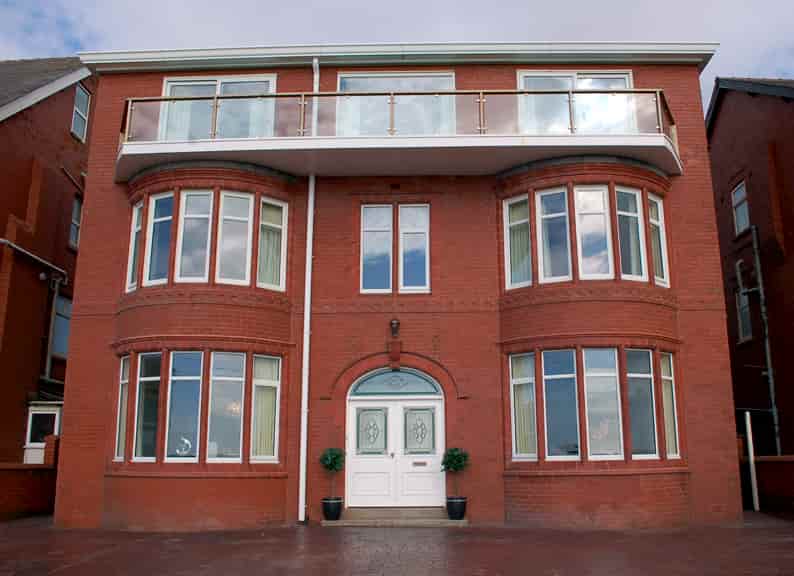
We have local CQC-approved rehab treatment centres around the United Kingdom where you will find our friendly team of doctors, nurses, and support staff. Our team aim to provide the best care possible for every client we treat. We focus on safety and support to help people achieve long-term recovery in a warm, caring and tranquil environment.





CQC Registered Manager
Raffa manages the day to day caring services here at Cassiobury Court. Dedicated to the treatment and well being of our visitors she is an outstanding mental health coach registered with BAAT (British Association of Art Therapists). Raffa has outstanding experience in managing rehabs across the country and is vastly experienced at helping people recover from drug and alcohol addictions.
Our Blogs
View our latest blog posts relating to addiction and mental health topics.
 29 Sep, 26
How Long Does Fentanyl Stay in Your System?
Fentanyl is a strong synthetic opioid that can be prescribed to treat severe pain but has gained worldwide notoriety due to overdose deaths. In the US in 2024, there were nearly 48,000 deaths related to fentanyl. Those who take this opioid will ask themselves, ‘How long does fentanyl stay in your system?’ This is a […]


24 Sep, 26
How to Stop Alcohol Sweats
Sweating is a common physical response when you drink. It can occur while you are drinking, when you’re suffering from a hangover or as a symptom during withdrawal. No one wants to be a hot, sweaty mess all the time, so asking “how to stop alcohol sweats” is a pretty common refrain for people who […]
21 Sep, 26
Signs of Ketamine Use: What To Look Out For
Despite its reputation as a party drug in some circles, ketamine carries a real risk of harm. Recognising possible signs of ketamine use could help some people to access support before serious harm develops. There is no single physical or behavioural sign that proves ketamine use, but there are some that, taken together, could indicate […]
- 29 Sep, 26Read More
How Long Does Fentanyl Stay in Your System?
Fentanyl is a strong synthetic opioid that can be prescribed to treat severe pain but has gained worldwide notoriety due to overdose deaths. In the US in 2024, there were nearly 48,000 deaths related to fentanyl. Those who take this opioid will ask themselves, ‘How long does fentanyl stay in your system?’ This is a […]
- 24 Sep, 26Read More
How to Stop Alcohol Sweats
Sweating is a common physical response when you drink. It can occur while you are drinking, when you’re suffering from a hangover or as a symptom during withdrawal. No one wants to be a hot, sweaty mess all the time, so asking “how to stop alcohol sweats” is a pretty common refrain for people who […]
- 21 Sep, 26Read More
Signs of Ketamine Use: What To Look Out For
Despite its reputation as a party drug in some circles, ketamine carries a real risk of harm. Recognising possible signs of ketamine use could help some people to access support before serious harm develops. There is no single physical or behavioural sign that proves ketamine use, but there are some that, taken together, could indicate […]


