


Published by Raffa Bari
We have treatment centres for drug and alcohol rehab in Alum Rock
A drug and alcohol addiction can show differently for every person. Signs, symptoms, impacts, changes, and consequences are unpredictable. Yet where unhealthy changes do occur, linked to substance abuse, addiction is the general diagnosis.
Treatment in Alum Rock
Drug and Alcohol Rehab Centres in Alum Rock
Request A Callback
We offer a free, zero obligation consultation. We offer rehab in your local area contact us today to find out what we can do for you.
Drug and Alcohol Rehab Alum Rock
Due to its re-occurring and unpredictable nature, treating addiction will be a must in order to recover and lead a fulfilled life. Yet not just any treatment will work. Personally recommended, medically accredited and holistic therapies will be required to effectively treat addiction.
Possible to work through by checking into or visiting a drug and alcohol rehab in Alum Rock, drug and alcohol rehabilitation and detoxification can be experienced. Available here at Cassiobury Court to a personalised and CQC standard, your addiction can be treated.
Reach out to experience a recovery journey that takes your circumstances and encounters with drugs and alcohol into full account.
What are the main signs and symptoms of addiction?
Signs and symptoms of addiction are expected to vary from person to person. A person’s health, tolerance, metabolism, and consumption rates can impact how addiction develops and displays itself. Drug methods and choices can also impact the body and mind in certain ways and at a specific rate.
Although diverse, change is a common occurrence across diagnoses. Signs and symptoms reflect noticeable changes in behaviours, actions, and emotions. Physical and psychological changes are also common through side effects, withdrawal symptoms and ill-health. Where the change is the result of consistent drug or alcohol abuse, the likelihood of dependency will increase.
Common changes, linked to addiction include:
- Behavioural changes, linked to personality, attitude and actions
- Physical changes, linked to appearance, health, and consumption levels
- Psychological changes, linked to mental health, stability and decision making
- Social changes, linked to low workplace performance, damaged relationships, and a change in commitment
In the event of similar changes, both physical and psychological problems can develop, resulting in a degree of addiction. To stop, reduce or overcome the effects of addiction, treatment will be necessary, possible to experience via drug and alcohol rehab in Alum Rock.
Treating an addiction
Treating an addiction must benefit both the short and long-term. Initial treatment should focus on suppressing any symptoms, promoting withdrawal and understanding the cause of substance abuse. Long-term treatment should then focus on prolonging sobriety, maintaining a clean lifestyle, and preventing relapse.
As addiction types, symptoms and causes are different, both forms of treatment should be personalised. A personalised treatment plan will make sure that individual circumstances, problems, and obstacles can be worked through, alongside expected goals of detoxification and rehabilitation.
Treatment in Alum Rock, to this standard, will be available through private drug rehab. Offering a wide range of rehab treatment services, CQC standards of care, leading treatment facilities and comprehensive plans, addiction can be reliably treated through rehab.
Also offered through inpatient treatment programmes and outpatient treatment programmes, a diverse offering can be devised to prioritise individual needs. Timeframes can be adjusted, treatment recommendations can be personal, additional recovery steps can be added, and the structure of rehab can be changed to accommodate. You can either be treated through residential services, over a 28-day period. Alternatively, you can invest in a schedule of visits over the upcoming months.
Via a drug and alcohol rehab in Alum Rock, personalised, suitable and industry-leading treatment can be experienced. We’re passionate about short and long-term recovery at Cassiobury Court, focusing on both through our treatment centre.
Private drug and alcohol rehab and detox
Treatments are categorised into physical, psychological, and holistic therapies. The physical focuses on detoxification, to eliminate drugs or alcohol from the body through a safe process. The psychological, through therapy sessions, support mental health, adapts coping and helps to educate clients. The holistic focus on all-around and long-term recovery, helping to lay down sober intentions and choices.
Alongside key treatments, relapse prevention planning, support groups and aftercare sessions are all encouraged. Helping to strengthen recovery, offer direction through key milestones and reduce relapse, additional services are offered through private rehab.
Programmes will be tailored to consider short-term success and long-term success, making sobriety a realistic goal.
Accessing help in Alum Rock
Private treatment and support can be accessed in your local area here at Cassiobury Court. If you are noticing the signs and symptoms of addiction, a free and confidential chat can take place to understand your next steps.
Your next steps will include a referral into rehab, followed by an admissions process to arrange your rehab programme. Everything from your budget, location, stability and readiness will be considered.
An admission date can be set to visit or check into a drug and alcohol rehab in Alum Rock, exposing you to personalised bouts of treatment. Experience the most effective standard and plan of addiction treatment through our centre.
With proven and effective services, drug addiction and alcohol addiction can be treated and managed for the long term. Follow your own journey towards rehabilitation.
Frequently Asked Questions
Although alcohol is an addictive drug, it’s a normalised substance, legal to purchase and acceptable for consumption. Its harmless image is one reason for binge drinking and high consumption rates. Yet the cause of alcoholism can be down to a few different factors, mostly uncontrollable variables. Alcoholism can be caused by poor mental health, genetics, stress, social pressures, environmental pressures, previous trauma, and taught behaviour. Paired with alcohol and the short-term positive feelings that it can offer, habits and fixations can form. Which is the long-term, can result in alcoholism, requiring great intervention, treatment, and ongoing support.
Addiction treatment services are advised on a per-client basis. There are many different types, to treat various symptoms and responses. Addiction therapy, detoxification, talking therapies, holistic therapies, and relapse prevention planning are some of our most effective at Cassiobury Court. On admission into rehab, the most effective will be recommended, to create a personal treatment plan.
Early signs of alcoholism are usually displayed through external changes. Consistent hangover-like signs, the inability to withdraw and stop consumption, changes in priorities, irritable and irrational behaviours, and greater consumption rates are a few to look out for. Signs and symptoms indicate that a habit is/has formed, requiring alcohol addiction treatment.
Our Treatment Centres
We have local CQC-approved rehab treatment centres around the United Kingdom where you will find our friendly team of doctors, nurses, and support staff. Our team aim to provide the best care possible for every client we treat. We focus on safety and support to help people achieve long-term recovery in a warm, caring and tranquil environment.


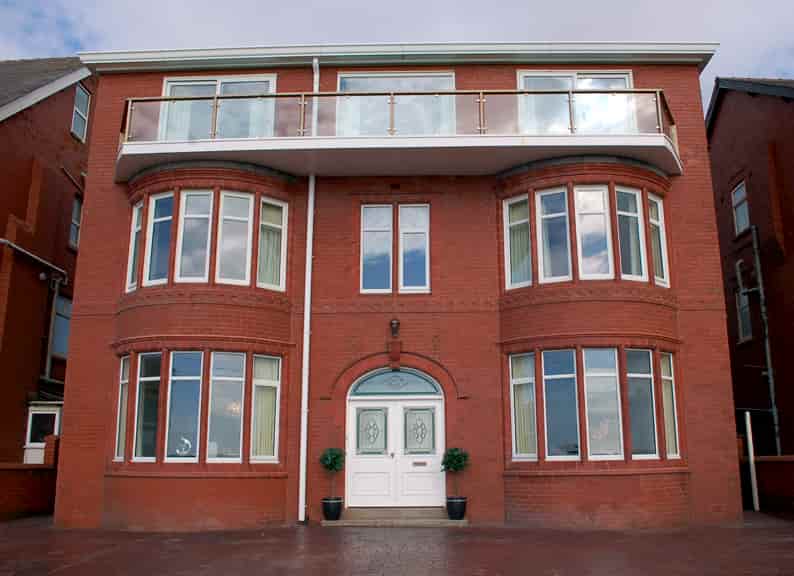



CQC Registered Manager
Raffa manages the day to day caring services here at Cassiobury Court. Dedicated to the treatment and well being of our visitors she is an outstanding mental health coach registered with BAAT (British Association of Art Therapists). Raffa has outstanding experience in managing rehabs across the country and is vastly experienced at helping people recover from drug and alcohol addictions.
Our Blogs
View our latest blog posts relating to addiction and mental health topics.
 10 Sep, 26
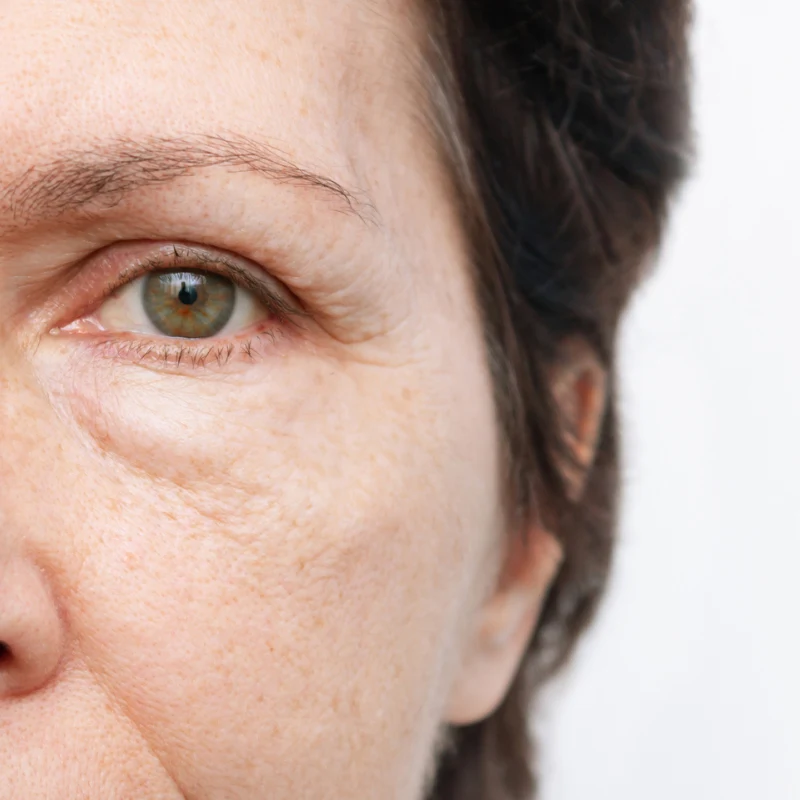
Understanding Alcohol and Face Puffiness
Some people can experience facial puffiness after drinking alcohol. There are a number of possible links between alcohol and facial puffiness. A puffy face after drinking may be linked to temporary fluid changes, inflammation or disrupted sleep, but it’s also worth remembering that severe or persistent facial swelling can have other causes. It should not […]


01 Sep, 26
How Long Does DMT Last?
DMT (Dimethyltryptamine) is a strong psychedelic drug with a reputation for providing intense but short-lived hallucinogenic experiences. People might be searching for more information on this drug due to its use in certain spiritual and religious rites – particularly as the psychoactive part of the drug ayahuasca – as well as its rising popularity as […]
26 Aug, 26
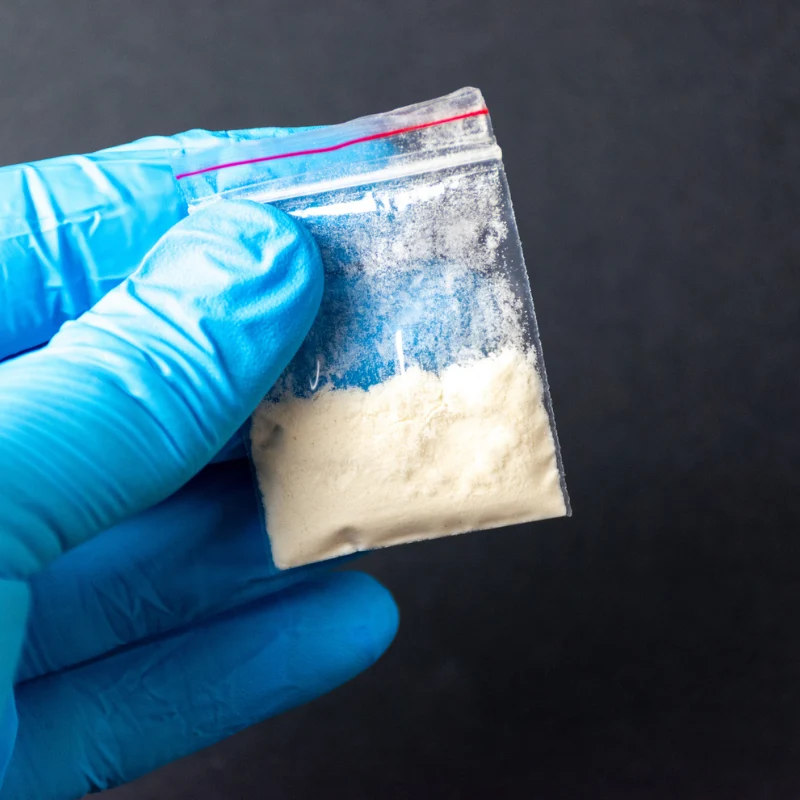
What is Angel Dust? Understanding the Risks of PCP
You might have heard of the drug phencyclidine (PCP), particularly by its most common street name, angel dust. But what is angel dust, what does it do, and what are the risks associated with it? While angel dust was quite notorious in the 1970s and 1980s, with publications in the US claiming there was a […]
-
10 Sep, 26Read More
Understanding Alcohol and Face Puffiness
Some people can experience facial puffiness after drinking alcohol. There are a number of possible links between alcohol and facial puffiness. A puffy face after drinking may be linked to temporary fluid changes, inflammation or disrupted sleep, but it’s also worth remembering that severe or persistent facial swelling can have other causes. It should not […]
-
01 Sep, 26Read More
How Long Does DMT Last?
DMT (Dimethyltryptamine) is a strong psychedelic drug with a reputation for providing intense but short-lived hallucinogenic experiences. People might be searching for more information on this drug due to its use in certain spiritual and religious rites – particularly as the psychoactive part of the drug ayahuasca – as well as its rising popularity as […]
-
26 Aug, 26Read More
What is Angel Dust? Understanding the Risks of PCP
You might have heard of the drug phencyclidine (PCP), particularly by its most common street name, angel dust. But what is angel dust, what does it do, and what are the risks associated with it? While angel dust was quite notorious in the 1970s and 1980s, with publications in the US claiming there was a […]


