


Published by Raffa Bari
We have treatment centres for alcohol rehab in Hall Green
Drug and alcohol addiction requires a specific course of therapy that puts you at the heart of the treatment plan — and that is exactly what Cassiobury Court can provide you with.
A course of inpatient treatment at our private residential rehabilitation centre will see you experiencing a personally-tailored treatment plan which blends together physical and psychological addiction treatments. Our therapies will not only get you clean, but they will give you the skills and mental tools needed to stay sober once you are home.
Treatment in Hall Green
Drug and Alcohol Rehab Centres in Hall Green
Request A Callback
We offer a free, zero obligation consultation. We offer rehab in your local area. Contact us today to find out what we can do for you.
Drug and Alcohol Rehab Hall Green
Some of our most successful therapies, which will be outlined in more detail below, include the likes of medically-assisted detoxification therapy, relapse prevention training, one-to-one behavioural therapies, aftercare therapy, and much more. Our rehabilitation centres are populated with top-quality medical professionals and highly-trained therapists, with whose help you will be able to achieve your recovery goals.
Reach out to Cassiobury Court today on 01908 489 421, or contact us through our website, and one of our helpline staff will be ready and waiting to get you set up in a room at our facility. The admission process for Cassiobury Court is easy and straightforward, and we do not leave out clients on a long waiting list for treatment.
All you need to do when you call us is provide us with a brief history of your addiction, let us know of any accessibility requirements and let us know your budget, and our teams of staff will be able to work out a specific treatment plan for you.
Detoxification Made Safe Thanks To Our Detox Clinic
One of the most unsettling prospects about recovery, for most addicts, can be the idea of going through alcohol withdrawal and/or substance abuse withdrawal. The negative side-effects that present themselves during withdrawal can be varied, very dangerous, and last for an unpredictable amount of time.
Some of the side effects associated with withdrawal can include seizures, hallucinations, tremors, vomiting, insomnia, muscular fatigue, migraines, profuse sweating, and much more.
However, when you experience withdrawal at our detox clinic, our medical staff will be able to prescribe you carefully selected medication to manage any side effects that you present with. Medically-assisted withdrawal at Cassiobury Court’s detox clinic is one of the safest ways that you can experience withdrawal.
Furthermore, being monitored 24/7 by our medical staff will not only help you to remain in the best possible health, but it will also prevent you from relapsing. Many individuals succumb to the extreme side-effects of withdrawal and start using again. However, with our help, this threat can be removed.
Our Therapies
As mentioned earlier, we implement a mixture of physical and psychological therapies. Some of our one-to-one therapies include the likes of cognitive behavioural therapy (CBT), dialectical behavioural therapy (DBT), one-to-one psychotherapy, and many others.
The focus of many of the one-to-one therapies will be to search deep into your history and unearth the triggering moments that have led you to develop your addictive disorder. By understanding how you have arrived at these thought patterns, they will be easier to dismantle and replace with healthier behavioural patterns.
Building upon the idea of developing healthier behavioural patterns, our relapse prevention planning will work towards making so that you do not respond negatively to addictive triggers which previously resulted in you using. Instead, we will replace your substance use with a different form of action, something positive like a new hobby or form of exercise.
We also include group therapy in our treatment plans. Group therapy has long been a mainstay of addiction treatment, and that is because forming a support network with other recovering addicts can be both rewarding and effective at helping you stay committed to the recovery plan.
Other forms of group therapy that we implement may take the form of family drug support counselling sessions — these are primarily for people who wish to include their loved ones in the recovery process.
Dual-diagnosis therapy is also a treatment that can yield very positive results for certain clients. This treatment is only required where another underlying mental health illness is present in tandem with the addictive disorder. Our therapists will be able to treat both the addictive disorder and the additional mental health illness at the same time with this state-of-the-art treatment.
Finally, once you are back in the comfort of your own home, post-rehab, you will be provided with access to Cassiobury Court’s aftercare programme. This free-of-charge year-long plan will mean that you have a resource to call upon if you ever feel as though you may be at risk of returning to old habits.
Frequently Asked Questions
This question can be quite divisive. However, due to the fact that addiction is often characterised as a behavioural disorder, it can often be more about managing the illness as opposed to necessarily “curing” it. The threat of relapse will always be there, but we will teach you how to make sure that you keep that threat at bay no matter what triggers may appear in your life. We want to make sure that, throughout relapse prevention planning, that you are able to focus on your life while staying clean becomes second nature.
While some real programmes can last longer or shorter depending upon the severity of the addiction you are trying to overcome. However, most of Cassiobury Court’s residential rehabilitation programmes last for around 28 days. For a lot of people, this can seem like it will be quite an overwhelming amount of time to spend away from home, but such an extensive period of time spent dedicated to an intensive treatment plan will provide you with the best possible chance of achieving a full recovery.
There are many different options for therapy — however, here at Cassiobury Court we strongly recommend that you take advantage of our inpatient treatment programme. By staying at our drug and alcohol treatment centre we will be able to really delve into your addictive disorder, while also working out which specific treatment you are the best response to and prioritising that treatment going forward.
Our Treatment Centres
We have local CQC-approved rehab treatment centres around the United Kingdom where you will find our friendly team of doctors, nurses, and support staff. Our team aim to provide the best care possible for every client we treat. We focus on safety and support to help people achieve long-term recovery in a warm, caring and tranquil environment.


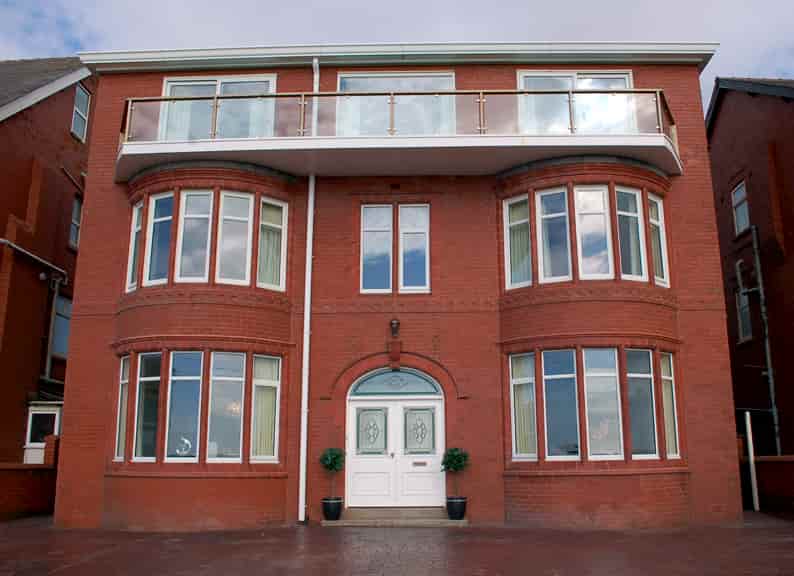



CQC Registered Manager
Raffa manages the day to day caring services here at Cassiobury Court. Dedicated to the treatment and well being of our visitors she is an outstanding mental health coach registered with BAAT (British Association of Art Therapists). Raffa has outstanding experience in managing rehabs across the country and is vastly experienced at helping people recover from drug and alcohol addictions.
Our Blogs
View our latest blog posts relating to addiction and mental health topics.
 29 Sep, 26
How Long Does Fentanyl Stay in Your System?
Fentanyl is a strong synthetic opioid that can be prescribed to treat severe pain but has gained worldwide notoriety due to overdose deaths. In the US in 2024, there were nearly 48,000 deaths related to fentanyl. Those who take this opioid will ask themselves, ‘How long does fentanyl stay in your system?’ This is a […]


24 Sep, 26
How to Stop Alcohol Sweats
Sweating is a common physical response when you drink. It can occur while you are drinking, when you’re suffering from a hangover or as a symptom during withdrawal. No one wants to be a hot, sweaty mess all the time, so asking “how to stop alcohol sweats” is a pretty common refrain for people who […]
21 Sep, 26
Signs of Ketamine Use: What To Look Out For
Despite its reputation as a party drug in some circles, ketamine carries a real risk of harm. Recognising possible signs of ketamine use could help some people to access support before serious harm develops. There is no single physical or behavioural sign that proves ketamine use, but there are some that, taken together, could indicate […]
- 29 Sep, 26Read More
How Long Does Fentanyl Stay in Your System?
Fentanyl is a strong synthetic opioid that can be prescribed to treat severe pain but has gained worldwide notoriety due to overdose deaths. In the US in 2024, there were nearly 48,000 deaths related to fentanyl. Those who take this opioid will ask themselves, ‘How long does fentanyl stay in your system?’ This is a […]
- 24 Sep, 26Read More
How to Stop Alcohol Sweats
Sweating is a common physical response when you drink. It can occur while you are drinking, when you’re suffering from a hangover or as a symptom during withdrawal. No one wants to be a hot, sweaty mess all the time, so asking “how to stop alcohol sweats” is a pretty common refrain for people who […]
- 21 Sep, 26Read More
Signs of Ketamine Use: What To Look Out For
Despite its reputation as a party drug in some circles, ketamine carries a real risk of harm. Recognising possible signs of ketamine use could help some people to access support before serious harm develops. There is no single physical or behavioural sign that proves ketamine use, but there are some that, taken together, could indicate […]


