


Published by Raffa Bari
We have treatment centres for drug and alcohol rehab in Brentford
If you’re based in Brentford, you’ll have a number of treatment options to consider. Each will provide exposure to addiction treatment and professional support. Yet depending on your needs and addiction type, the effects of such exposure will vary.
Get Help Now in Brentford
We offer residential treatment that is close to the Brentford area.
Call us on 0800 001 4070
Treatment in Brentford
Drug and Alcohol Rehab Centres in Brentford
Request A Callback
We offer a free, zero obligation consultation. We offer rehab in your local area contact us today to find out what we can do for you.
Drug and Alcohol Rehab Brentford
No matter how mild or severe your addiction to drugs or alcohol may be, you’ll always have treatment options to choose from. Firstly, we can help you decide between outpatient or inpatient treatment and identify whether you’re best suited to alcohol rehab or drug rehab.
As an outpatient, you’ll remain at home but will visit our rehab clinic each day to receive your addiction treatment. Whereas, if you choose to our Brentford rehab as an inpatient, you’ll stay at our facility throughout your addiction treatment.
We frequently see more effective rehabilitations with inpatient treatment as you’re removed from the negative influences and distractions of daily life, whilst benefiting from a motivational environment. However, the choice is yours and one treatment option may work better for you depending on the severity of your addiction or on your personal circumstances.
Whether you’ve selected residential treatment or outpatient treatment, you’ll always have a wide selection of psychological, well-being, and physical therapies we offer at our rehab clinics.
So if you need help with your addiction and are seeking confidential support, our London Based rehabs are QCC registered and ideally placed to see you through an immediate programme.
Drug or Alcohol Detoxification
All of our treatment programmes are personalised to benefit the individuals’ unique needs, although we’re likely to recommend a drug or alcohol detoxification to everyone at our treatment centre. Alcohol or drug detox is a crucial part of most people’s road to recovery as it’s the most effective way to gradually reduce your consumption of drugs or alcohol and cleanse your body and mind of the harmful toxins within these substances.
We appreciate that a detox isn’t the most pleasant experience as you’ll likely experience withdrawal symptoms which can range from mild nausea, dizziness, and headaches to the more severe symptoms of delirium tremens (the DTs), seizures, and insomnia.
Whilst these withdrawal symptoms can be unpleasant, our expert team will be there to support you throughout and can administer prescribed medication to ease the discomfort if necessary. Undergoing detoxification will also help you to think more clearly and give your body more energy to engage with your subsequent psychological and well-being therapies.
Holistic Approach to Addiction Treatment
Offering a holistic approach to addiction treatment has proven to be a successful way to treat substance abuse. By following a carefully selected programme of psychological and well-being therapies in addition to a physical detox from drugs or alcohol, you’ll be in the best position to achieve your long-term recovery.
At our drug and alcohol rehab Brentford, our range of psychological therapies includes psychotherapy, counselling, stress management, relapse prevention, and cognitive behavioural therapy (also known as CBT).
Our range of well-being therapies includes mindfulness, yoga, relaxation and sleep management, nutritional supplement therapy, art therapy, music therapy, low-level laser therapy, and fitness therapy.
Noticing Signs and Symptoms of Addiction
We often see people in denial about their substance abuse. These feelings of denial are quite natural as addiction is still perceived as a weakness to some people, therefore we naturally try to hide our weaknesses.
If you’re concerned that a loved one may be suffering from drug or alcohol addiction or if you need some convincing yourself that you require the professional support of a drug and alcohol rehab, then are some common signs and symptoms to look out for.
Drug or alcohol addiction can significantly damage your physical and psychological health, you’ll likely appear gaunt or pale, have bloodshot eyes, have skin sores, or be dramatically fluctuating in weight.
You could be suffering from anxiety, depression, loneliness, low self-esteem, or even suicidal thoughts. Addiction makes you much more susceptible to liver disease, heart disease, stroke, diabetes, depression, anxiety, bipolarity, and paranoia.
You may begin to care less about your appearance or personal hygiene and have no desire to socialise or take part in activities that you once enjoyed. You may find yourself constantly craving alcohol or drugs and suffering from withdrawal when you’re not drinking or taking drugs.
These are all signs that you need to speak to someone and receive professional help as soon as possible. Drug or alcohol addiction won’t go away on its own, you must receive addiction treatment if you want to create a better future for you and your loved ones to look forward to.
We offer help for drug and alcohol addiction in many of the London Boroughs, including the likes of Southall, Greenford, Acton and more.
Our Treatment Centres
We have local CQC-approved rehab treatment centres around the United Kingdom where you will find our friendly team of doctors, nurses, and support staff. Our team aim to provide the best care possible for every client we treat. We focus on safety and support to help people achieve long-term recovery in a warm, caring and tranquil environment.


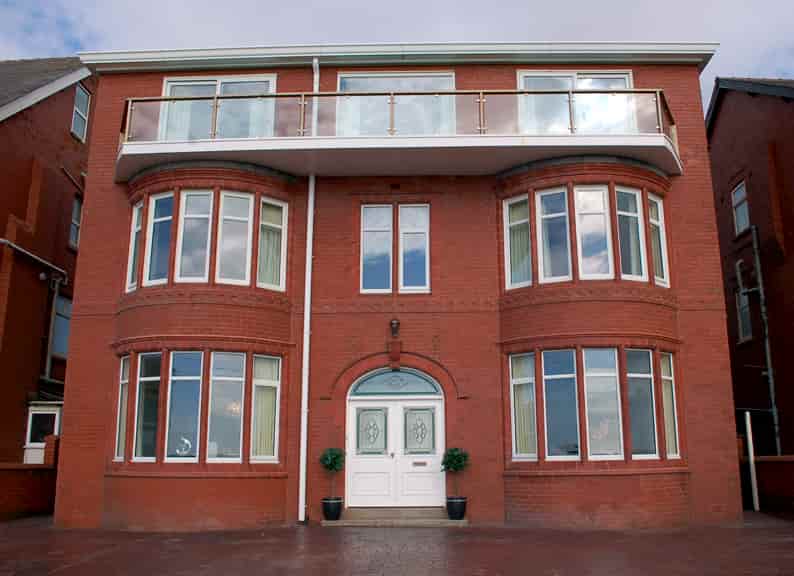



CQC Registered Manager
Raffa manages the day to day caring services here at Cassiobury Court. Dedicated to the treatment and well being of our visitors she is an outstanding mental health coach registered with BAAT (British Association of Art Therapists). Raffa has outstanding experience in managing rehabs across the country and is vastly experienced at helping people recover from drug and alcohol addictions.
Our Blogs
View our latest blog posts relating to addiction and mental health topics.
 29 Sep, 26
How Long Does Fentanyl Stay in Your System?
Fentanyl is a strong synthetic opioid that can be prescribed to treat severe pain but has gained worldwide notoriety due to overdose deaths. In the US in 2024, there were nearly 48,000 deaths related to fentanyl. Those who take this opioid will ask themselves, ‘How long does fentanyl stay in your system?’ This is a […]


24 Sep, 26
How to Stop Alcohol Sweats
Sweating is a common physical response when you drink. It can occur while you are drinking, when you’re suffering from a hangover or as a symptom during withdrawal. No one wants to be a hot, sweaty mess all the time, so asking “how to stop alcohol sweats” is a pretty common refrain for people who […]
21 Sep, 26
Signs of Ketamine Use: What To Look Out For
Despite its reputation as a party drug in some circles, ketamine carries a real risk of harm. Recognising possible signs of ketamine use could help some people to access support before serious harm develops. There is no single physical or behavioural sign that proves ketamine use, but there are some that, taken together, could indicate […]
- 29 Sep, 26Read More
How Long Does Fentanyl Stay in Your System?
Fentanyl is a strong synthetic opioid that can be prescribed to treat severe pain but has gained worldwide notoriety due to overdose deaths. In the US in 2024, there were nearly 48,000 deaths related to fentanyl. Those who take this opioid will ask themselves, ‘How long does fentanyl stay in your system?’ This is a […]
- 24 Sep, 26Read More
How to Stop Alcohol Sweats
Sweating is a common physical response when you drink. It can occur while you are drinking, when you’re suffering from a hangover or as a symptom during withdrawal. No one wants to be a hot, sweaty mess all the time, so asking “how to stop alcohol sweats” is a pretty common refrain for people who […]
- 21 Sep, 26Read More
Signs of Ketamine Use: What To Look Out For
Despite its reputation as a party drug in some circles, ketamine carries a real risk of harm. Recognising possible signs of ketamine use could help some people to access support before serious harm develops. There is no single physical or behavioural sign that proves ketamine use, but there are some that, taken together, could indicate […]


